Nebulae Images
CCD and CMOS Images
October 6, 2026. M42 (Orion Nebula)
M42 (Orion Nebula) photographed with a ZWO Seestar S50 smart telescope in alt/az mode. The image consists of 60 ten second sub frames. The final processing was done in Siril, Graxpert, PixInsight, and The Gimp. This image was captured prior to the Jupiter-Moon occultation later that morning.
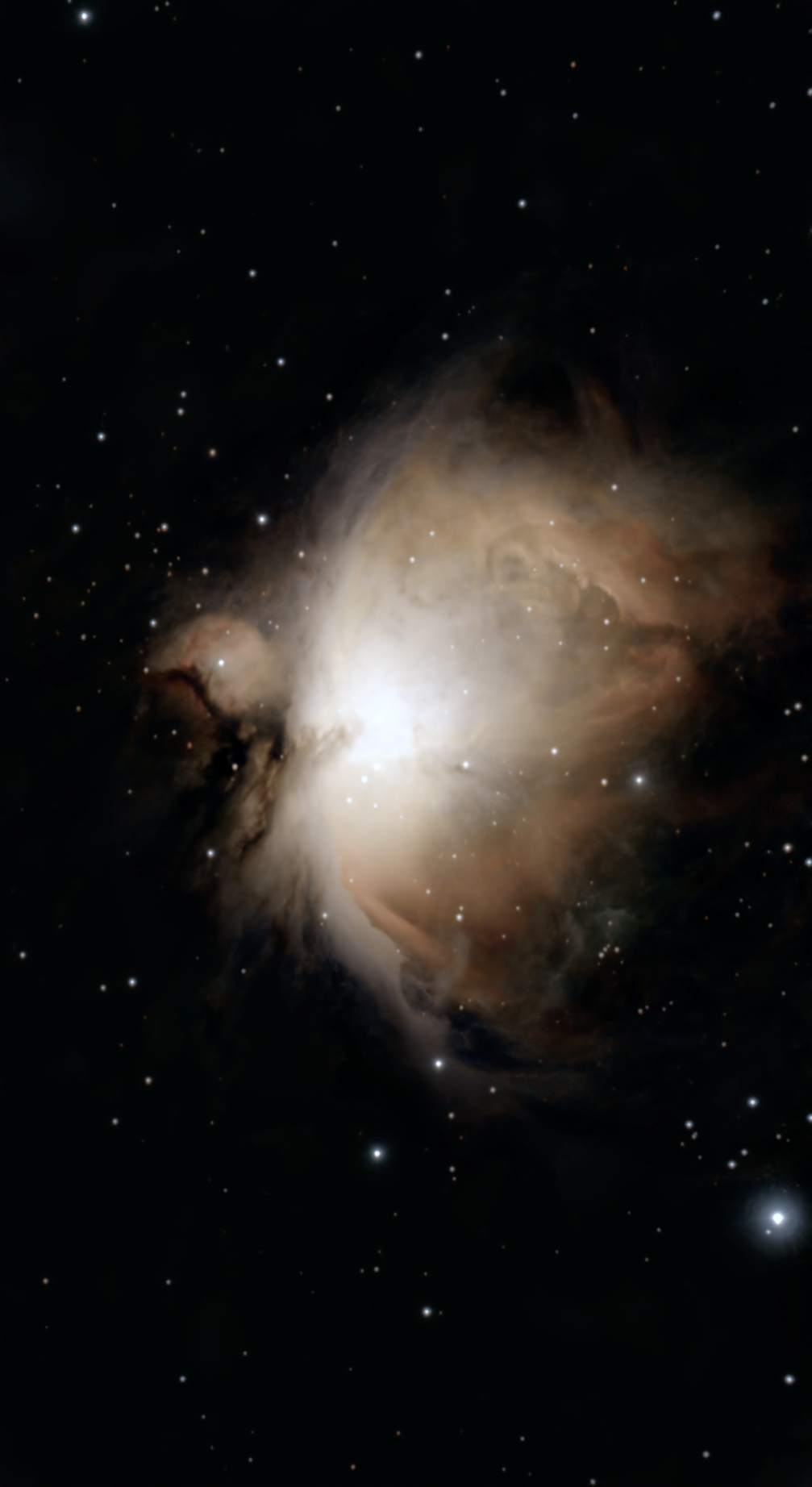
September 6, 2026. IC 5070
IC 5070 photographed with a ZWO Seestar S50 smart telescope in equatorial mode. The image consists of 42 thirty second exposures. The final processing was done in Siril, GraXpert, PixInsight, Photoshop, and The Gimp.
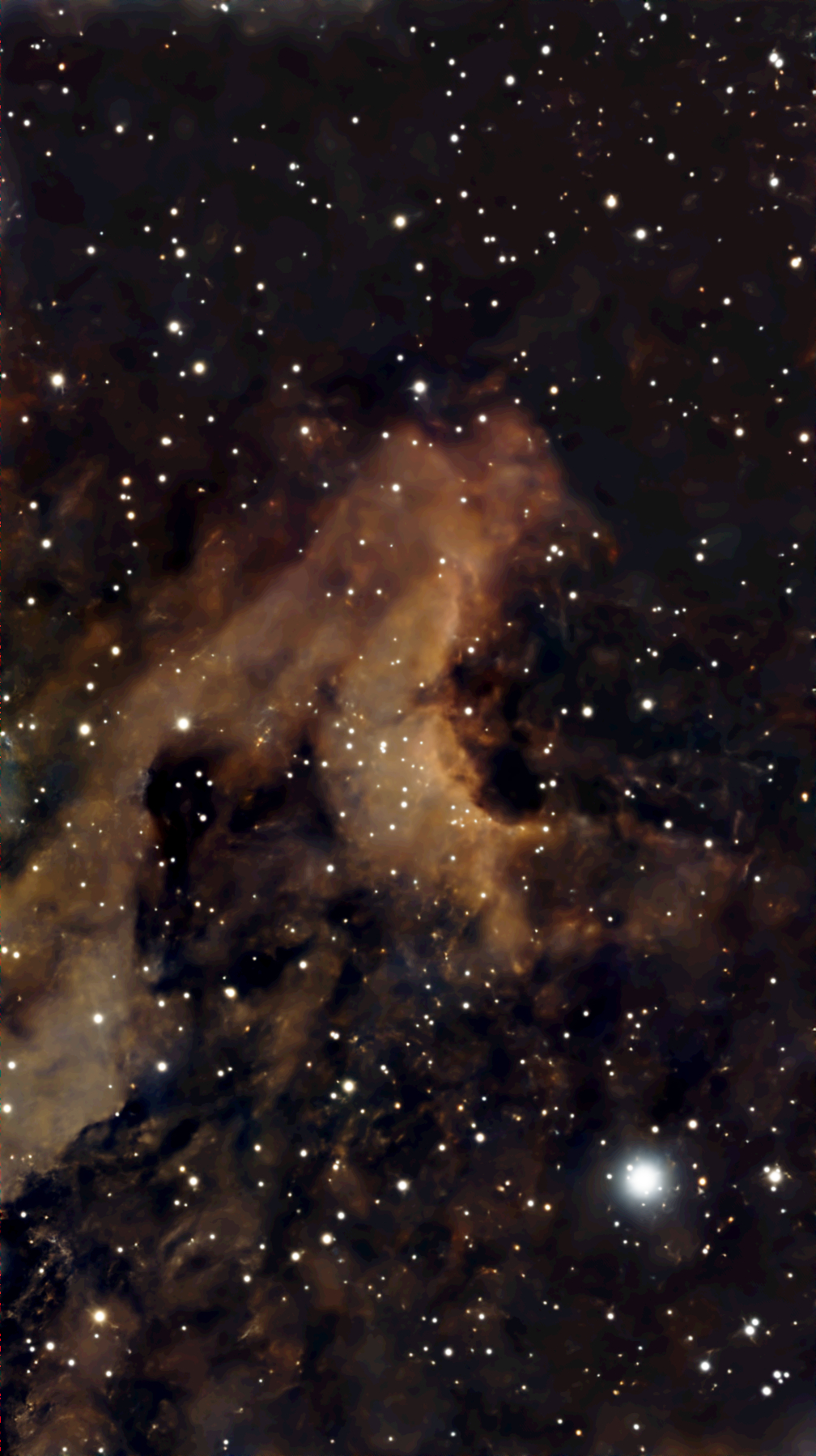
September 6, 2026. VdB 126
VdB 126 photographed with a ZWO Seestar S50 smart telescope in equatorial mode. The image consists of 61 thirty second exposures. The final processing was done in Siril, GraXpert, PixInsight, Photoshop, and The Gimp. VdB 126 is a dark nebula made of gas and dust that obscures the background stars. Over time new stars will condense out of this cloud.
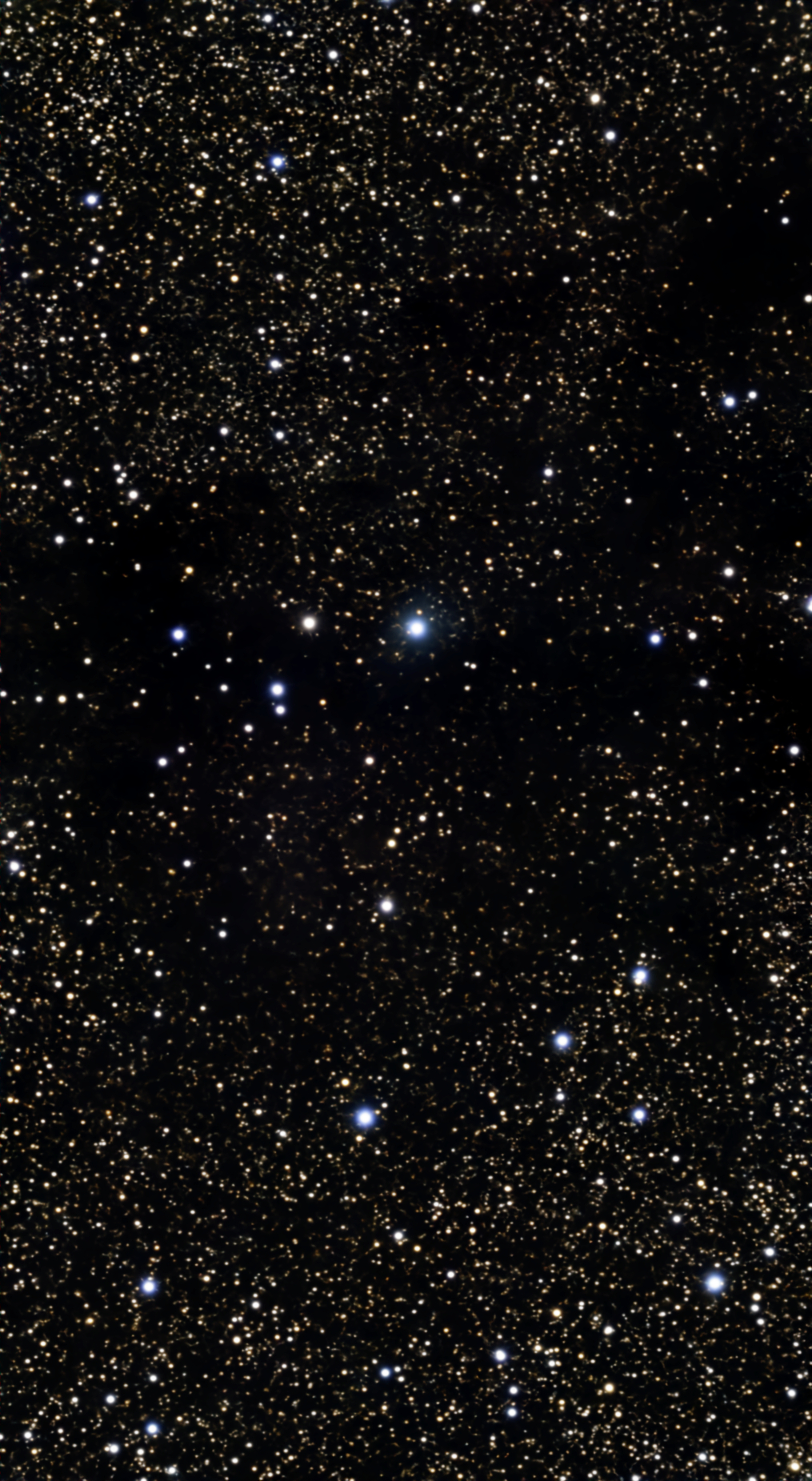
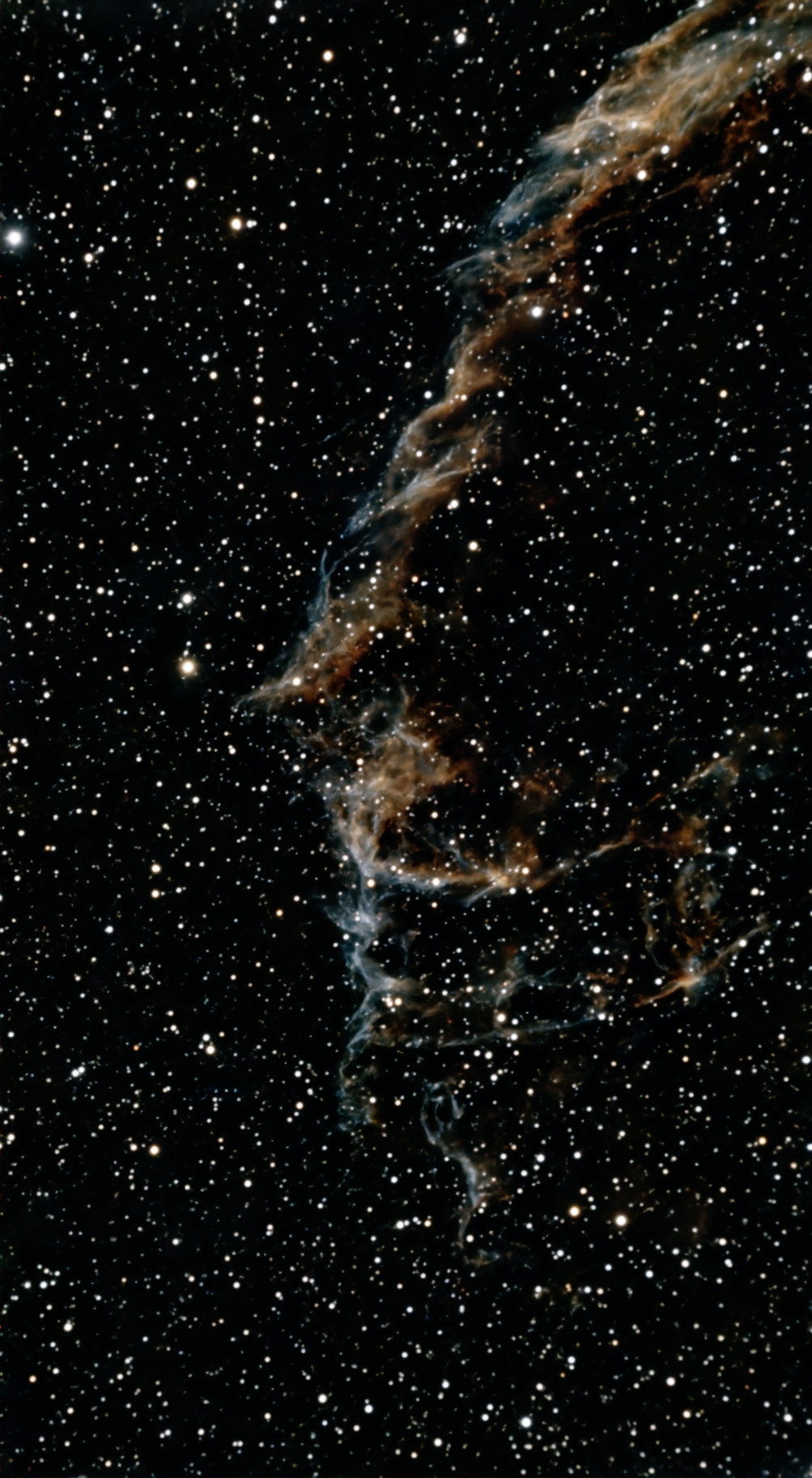
September 5, 2026. NGC 6995 (bottom portion of Eastern Veil Nebula)
NGC 6995 (bottom portion of Eastern Veil Nebula) photographed with a ZWO Seestar S50 smart telescope in equatorial mode. The image consists of 65 thirty second exposures. The final processing was done in Siril, GraXpert, PixInsight, Photoshop, and The Gimp.
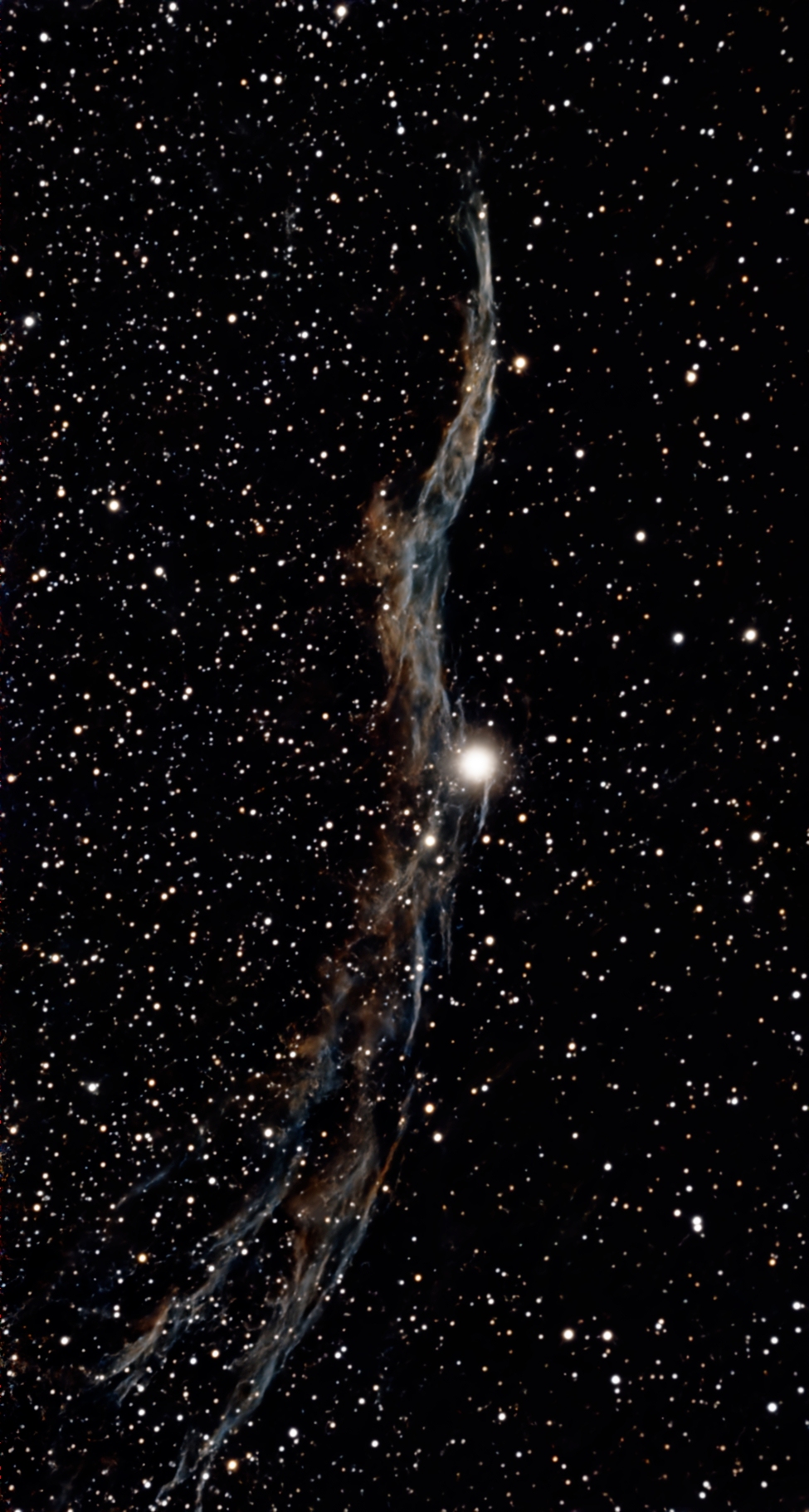
September 5, 2026. NGC 6960 (Western Veil Nebula)
NGC 6960 (Western Veil Nebula) photographed with a ZWO Seestar S50 smart telescope in equatorial mode. The image consists of 57 thirty second exposures. The final processing was done in Siril, GraXpert, PixInsight, Photoshop, and The Gimp.
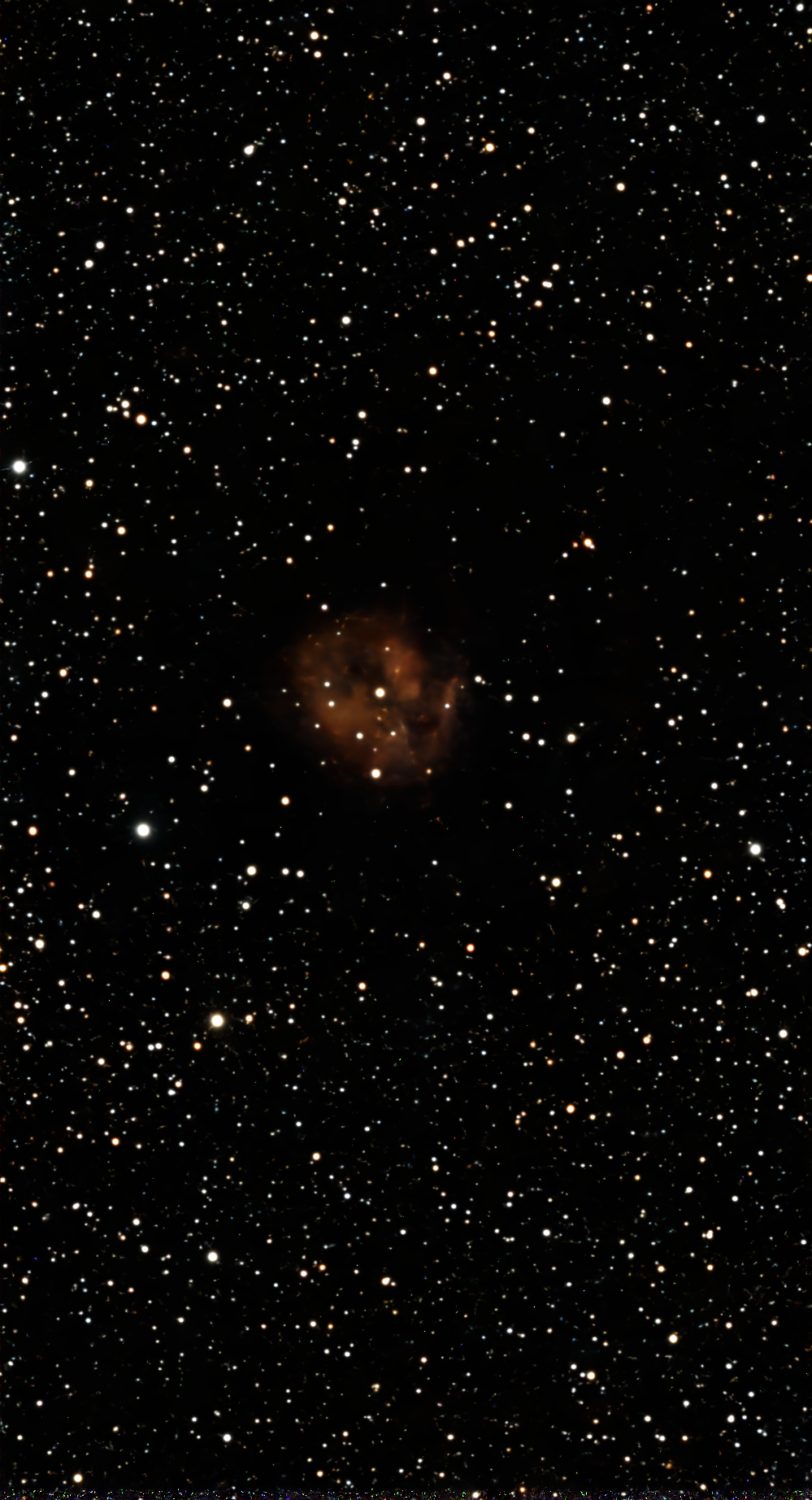
August 11, 2026. IC 5146 (Cocoon Nebula)
IC 5146 (Cocoon Nebula) photographed with a ZWO Seestar S50 smart telescope in equatorial mode. The image consists of 52 thirty second exposures. The final processing was done in Siril, GraXpert, PixInsight, Photoshop, and The Gimp.
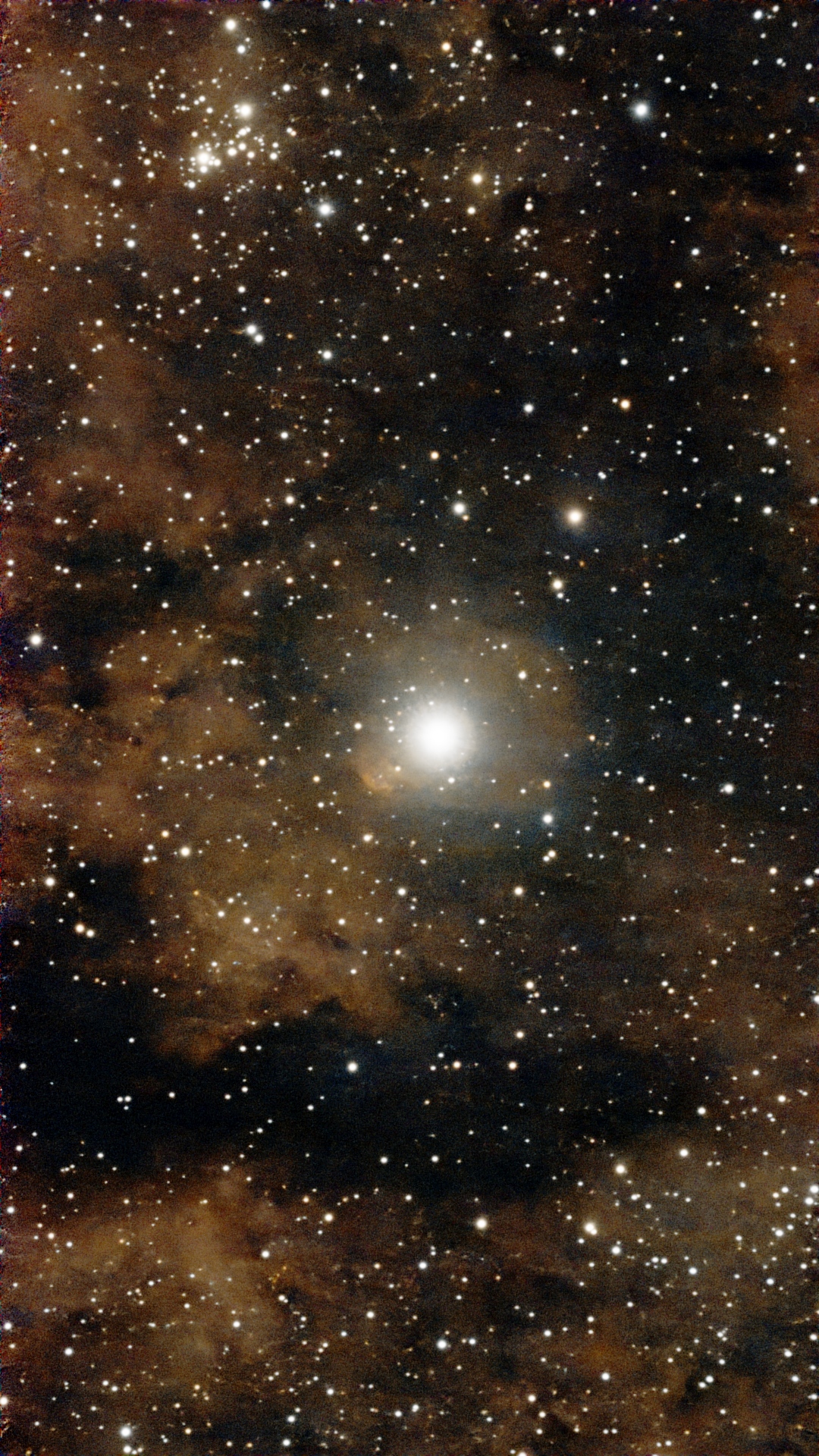
July 15, 2026. IC 1318 (Gamma Cygni Nebula)
IC 1318 (Gamma Cygni Nebula) photographed with a ZWO Seestar S50 smart telescope in equatorial mode. The image consists of 29 thirty second exposures. The final processing was done in Siril, GraXpert, PixInsight, Photoshop, and The Gimp.
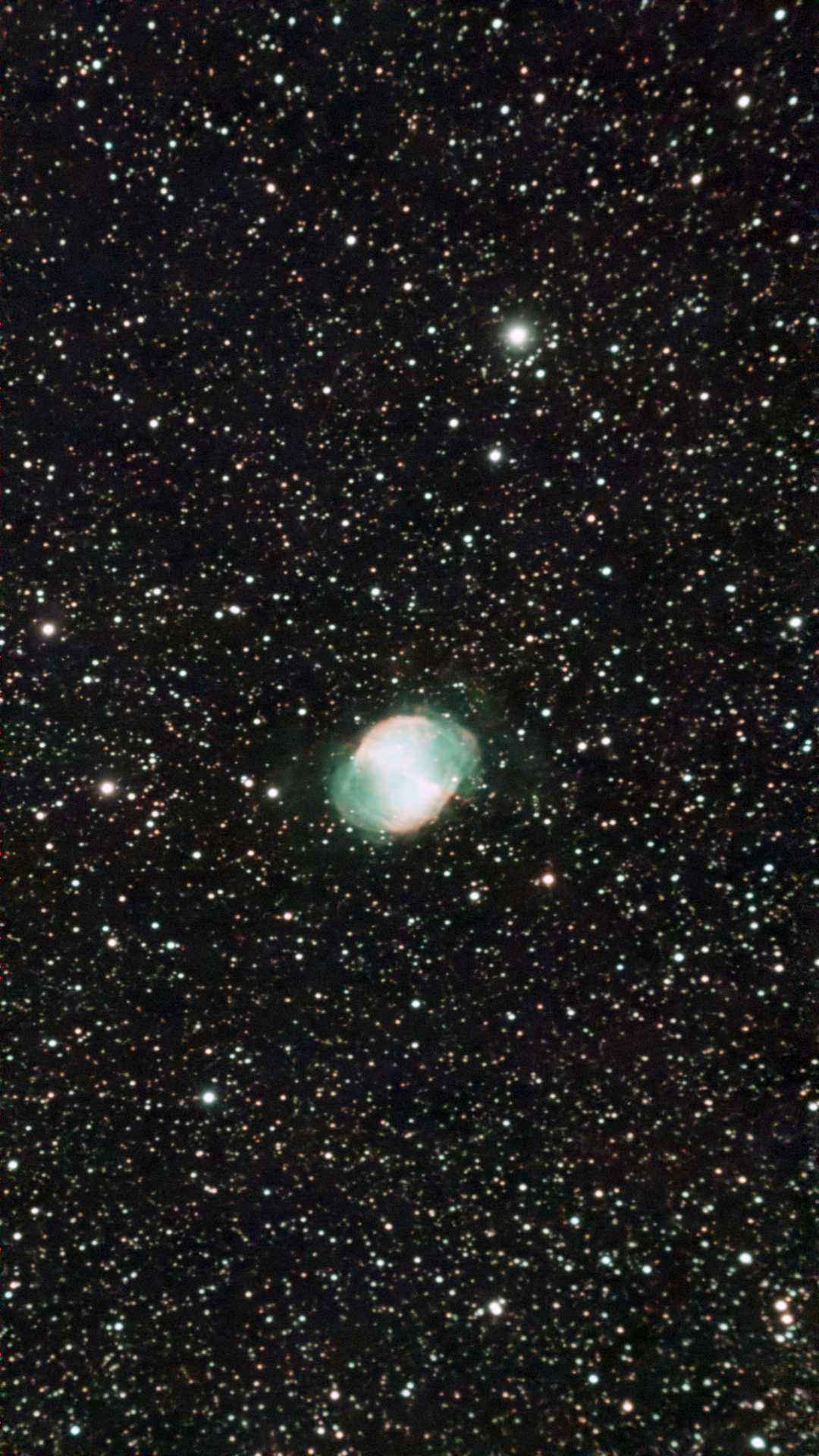
June 15, 2026. M27 (Dumbbell Nebula)
M27 (Dumbbell Nebula) photographed with a ZWO Seestar S50 smart telescope in equatorial mode. The image consists of 76 thirty second exposures. The final processing was done in Siril, GraXpert, PixInsight, Photoshop, and The Gimp.
June 16, 2026. M20 (Trifid Nebula)
M20 (Trifid Nebula) photographed with a ZWO Seestar S50 smart telescope in equatorial mode without the light pollution filter. The image consists of 20 thirty second exposures. The final processing was done in Siril, GraXpert, PixInsight, Photoshop, and The Gimp.
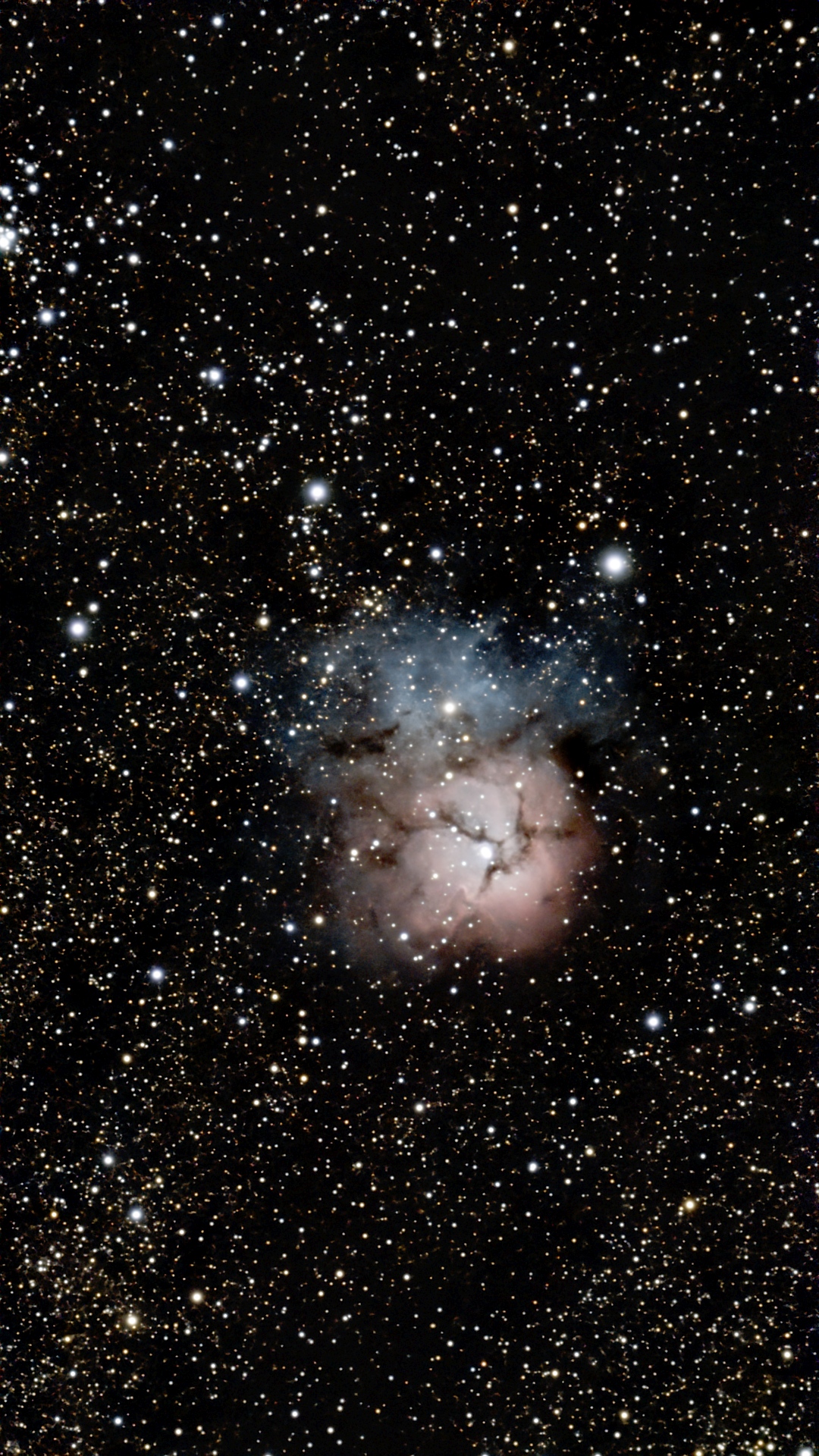
June 16, 2026. M20 (Trifid Nebula)
M8 (Lagoon Nebula) photographed with a ZWO Seestar S50 smart telescope in equatorial mode. These images were captured in Bortle 4.5 skies and both consist of 30 thirty second exposures, with and without the built in light pollution filter. Without the light pollution filter the colors of the nebula are more natural but fainter details are lost. With the light pollution filter the nebula has an orange hue and fainter details of the nebula are revealed. The final processing was done in Siril, GraXpert, PixInsight, Photoshop, and The Gimp.
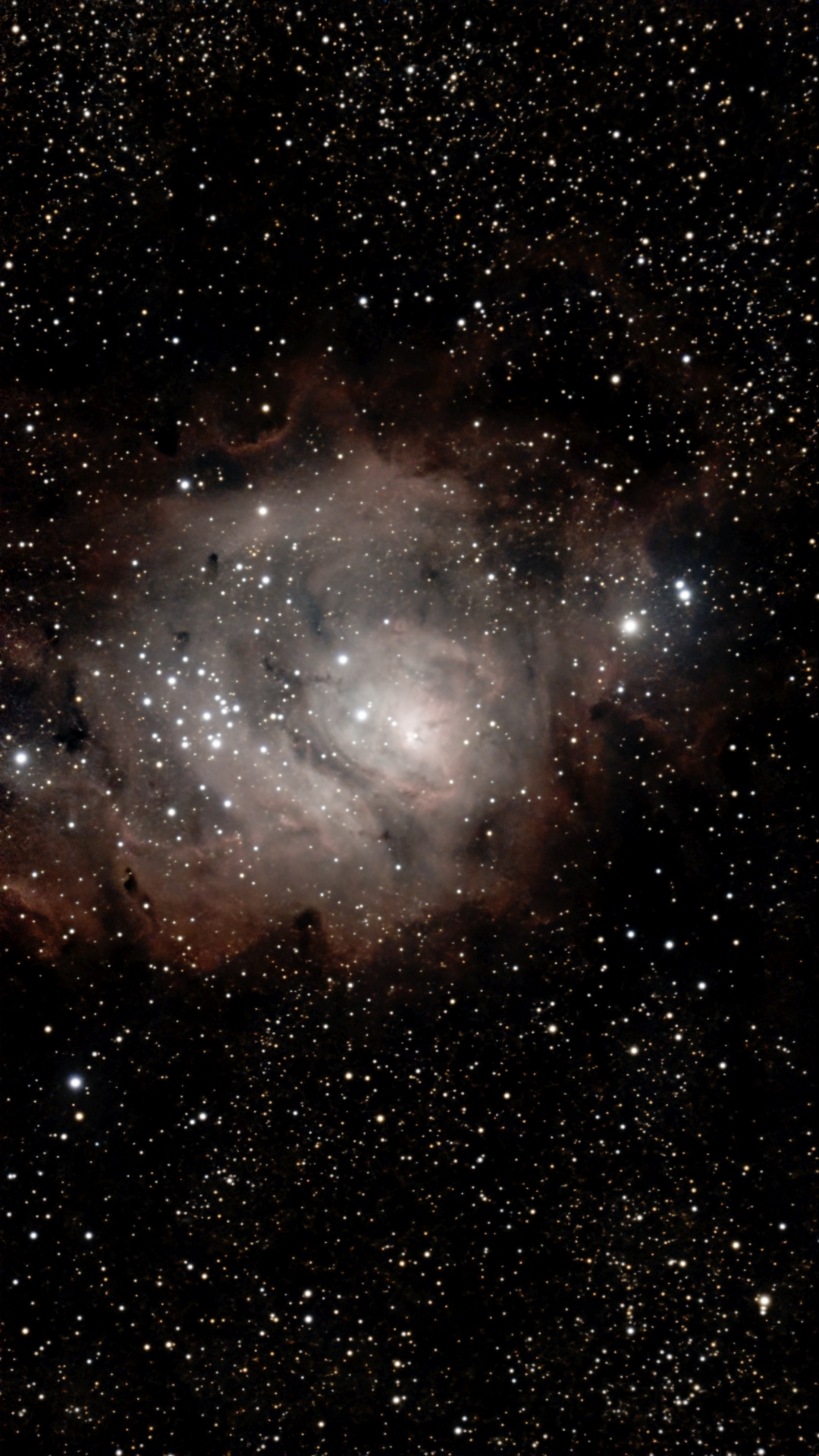
M8 without Light Pollution Filter
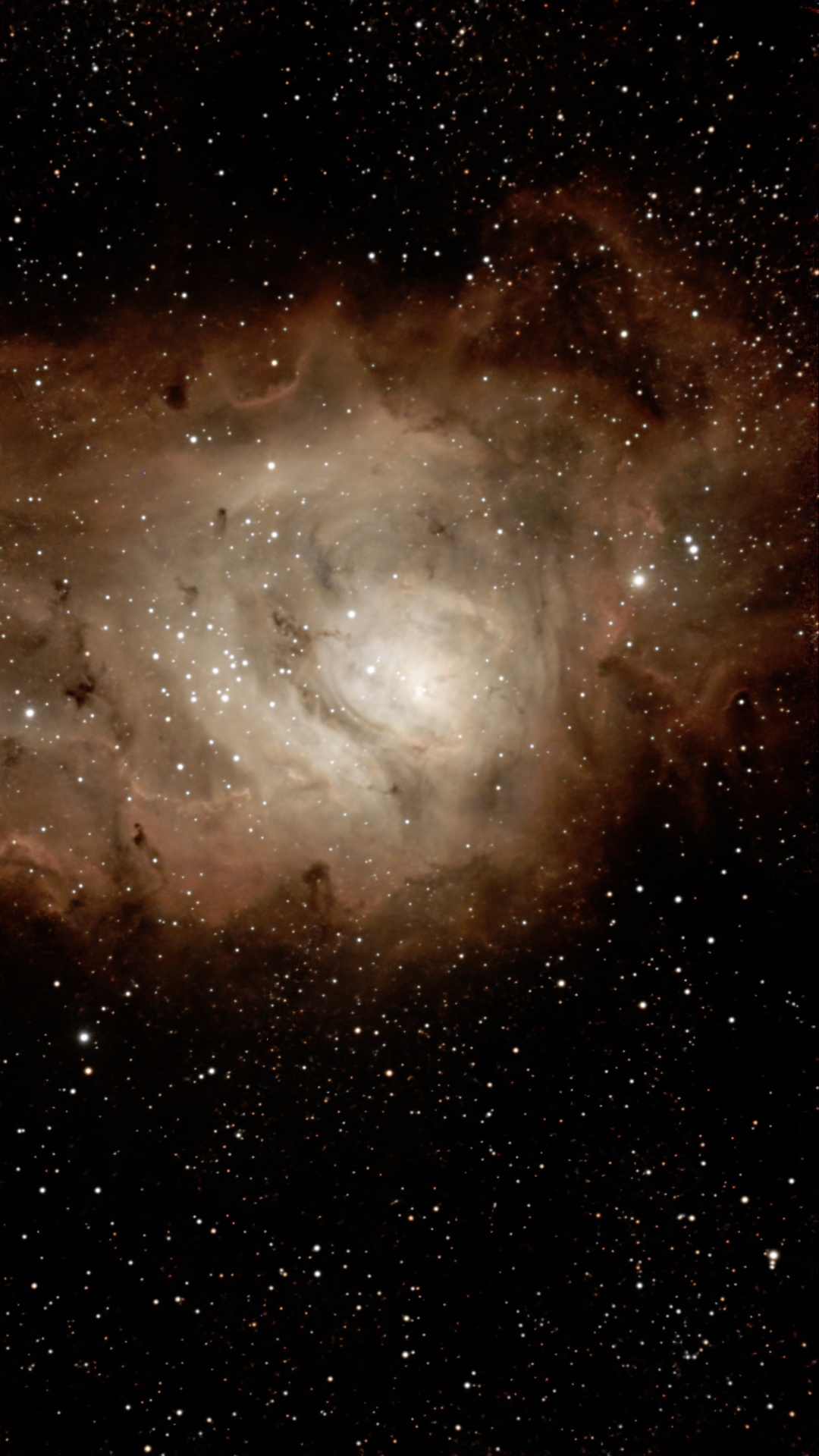
M8 using Light Pollution Filter
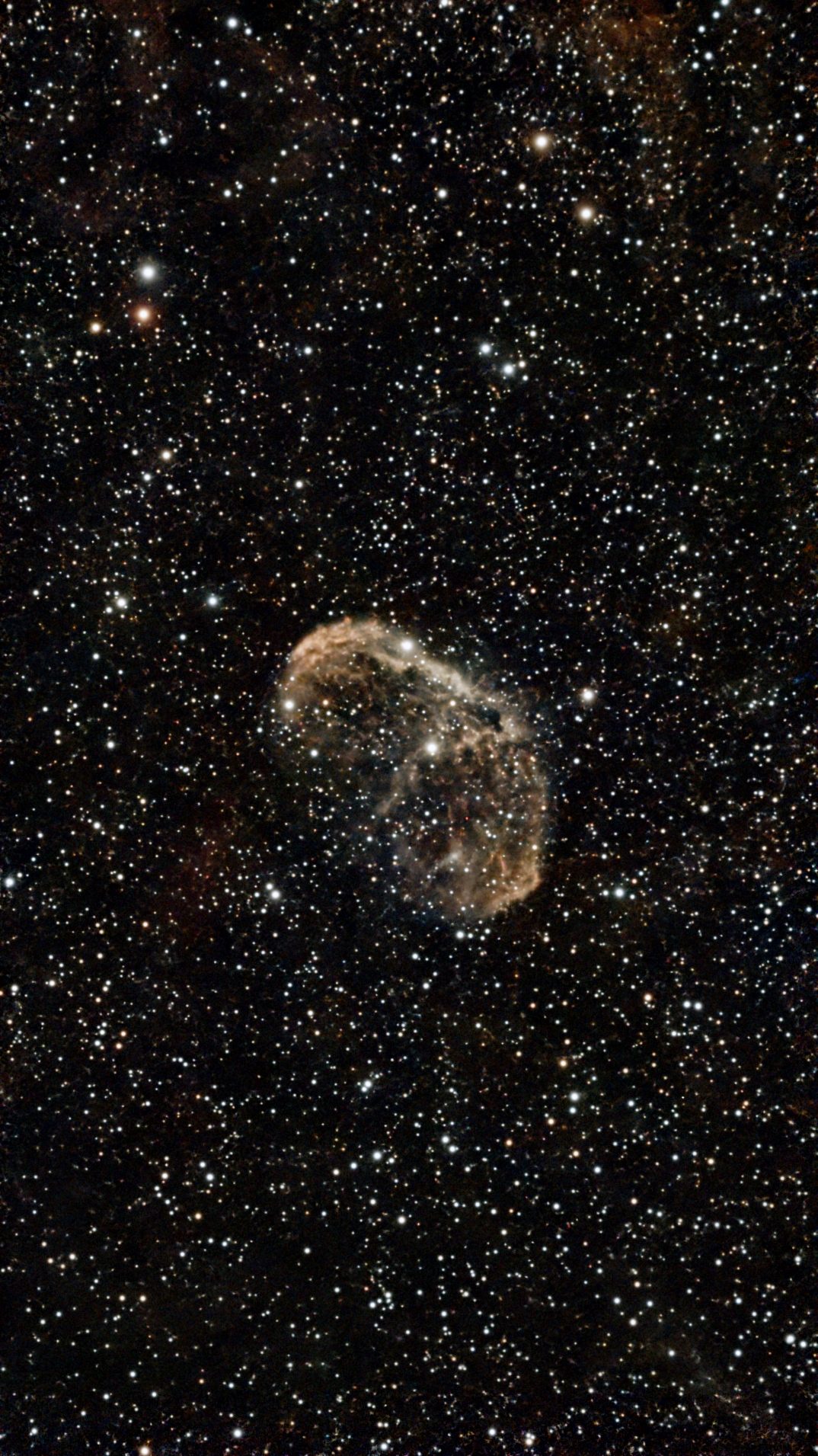
June 15, 2026. NGC 6888 (Crescent Nebula)
NGC 6888 (Crescent Nebula) photographed with a ZWO Seestar S50 smart telescope in equatorial mode. The image consists of 28 thirty second exposures. This nebula results from the fast stellar winds of the Wolf-Rayet star WR 136 (HD 192163) colliding with the interstellar medium. WR 136 is the bright star near the center of the nebula. Eventually WR 136 will explode as a supernova in a few hundred thousand year. The final processing was done in Siril, GraXpert, PixInsight, Photoshop, and The Gimp.
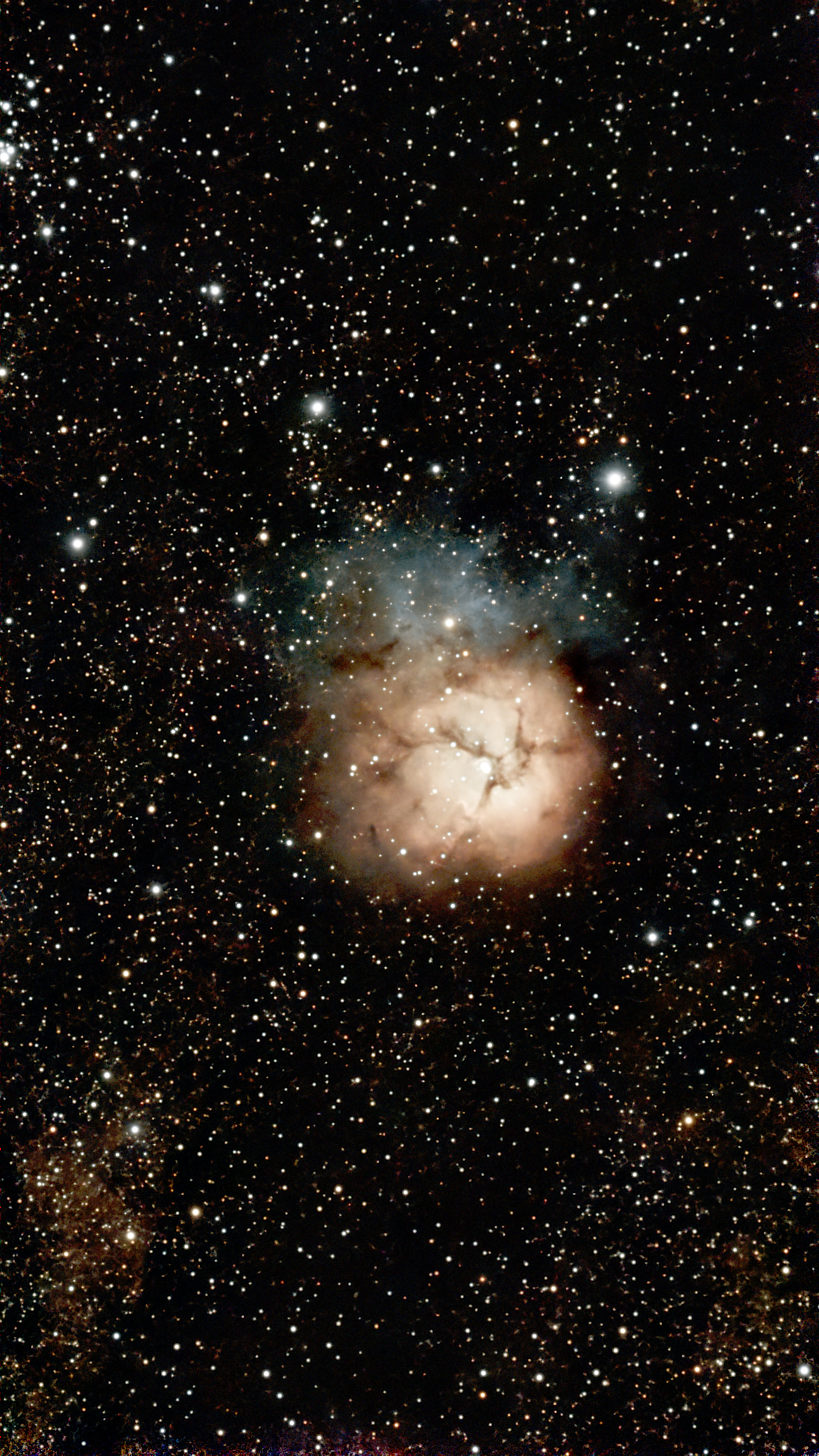
June 15, 2026. M20 (Trifid Nebula)
M20 (Trifid Nebula) photographed with a ZWO Seestar S50 smart telescope in equatorial mode. The image consists of 50 thirty second exposures. The final processing was done in Siril, GraXpert, PixInsight, Photoshop, and The Gimp.
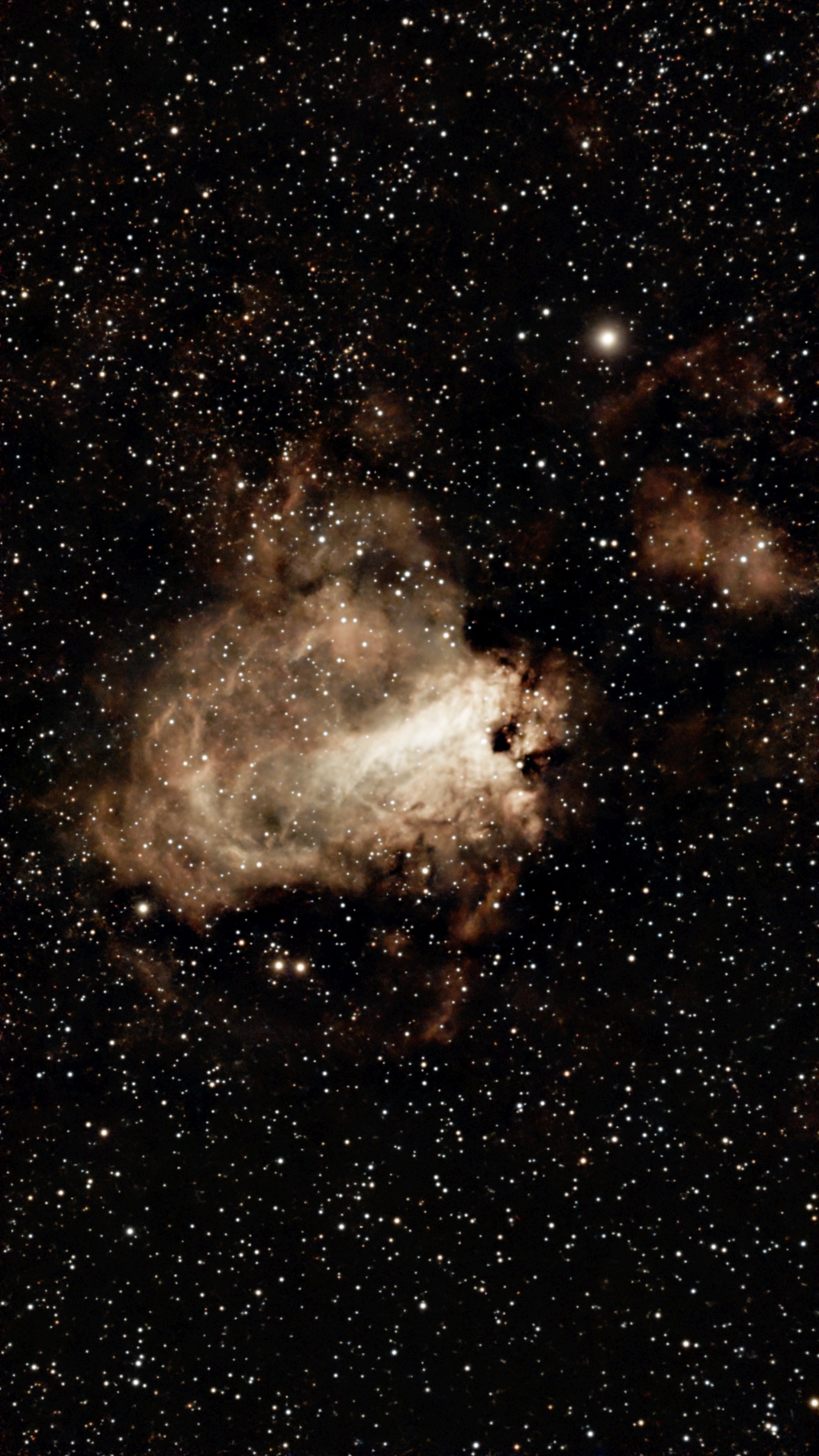
June 15, 2026. M17 (Omega Nebula)
M17 (Omega Nebula) photographed with a ZWO Seestar S50 smart telescope in equatorial mode. The image consists of 30 thirty second exposures. The final processing was done in Siril, GraXpert, PixInsight, and The Gimp.
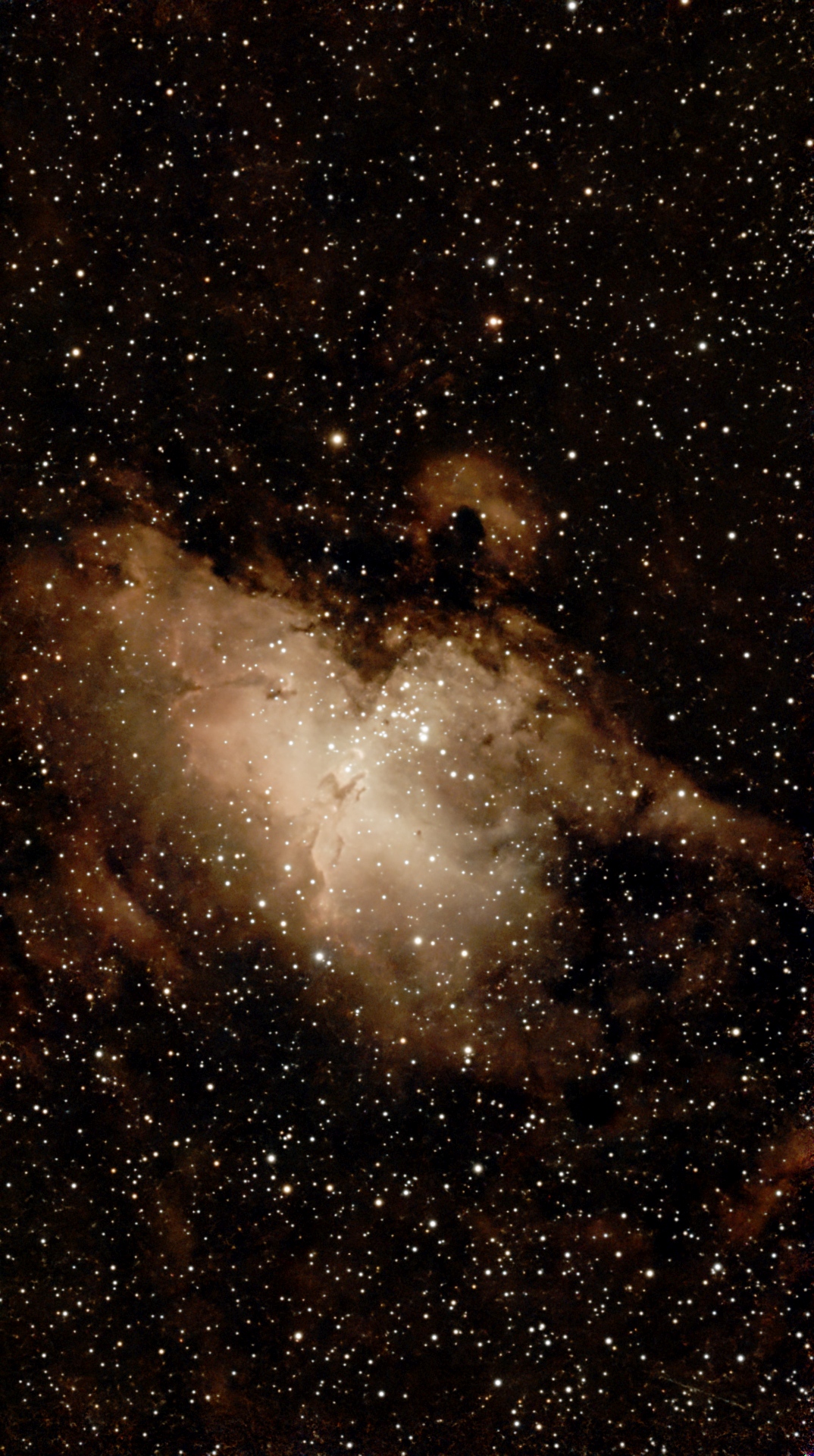
June 15, 2026. M16 (Eagle Nebula)
M16 (Eagle Nebula) photographed with a ZWO Seestar S50 smart telescope in equatorial mode. The image consists of 32 thirty second exposures. The final processing was done in Siril, GraXpert, PixInsight, and The Gimp.
Feb. 12, 2026. M42 (Orion Nebula)
M42 (Orion Nebula) photographed with a ZWO Seestar S50 smart telescope in equatorial mode. This image is a mosaic made from images captured on 2/12/2026 and images captured in December and January which were stacked using Siril to create the image. The image consists of 1294 sub frames having 10 and 20 second exposures. The final processing was done in PixInsight, and The Gimp.
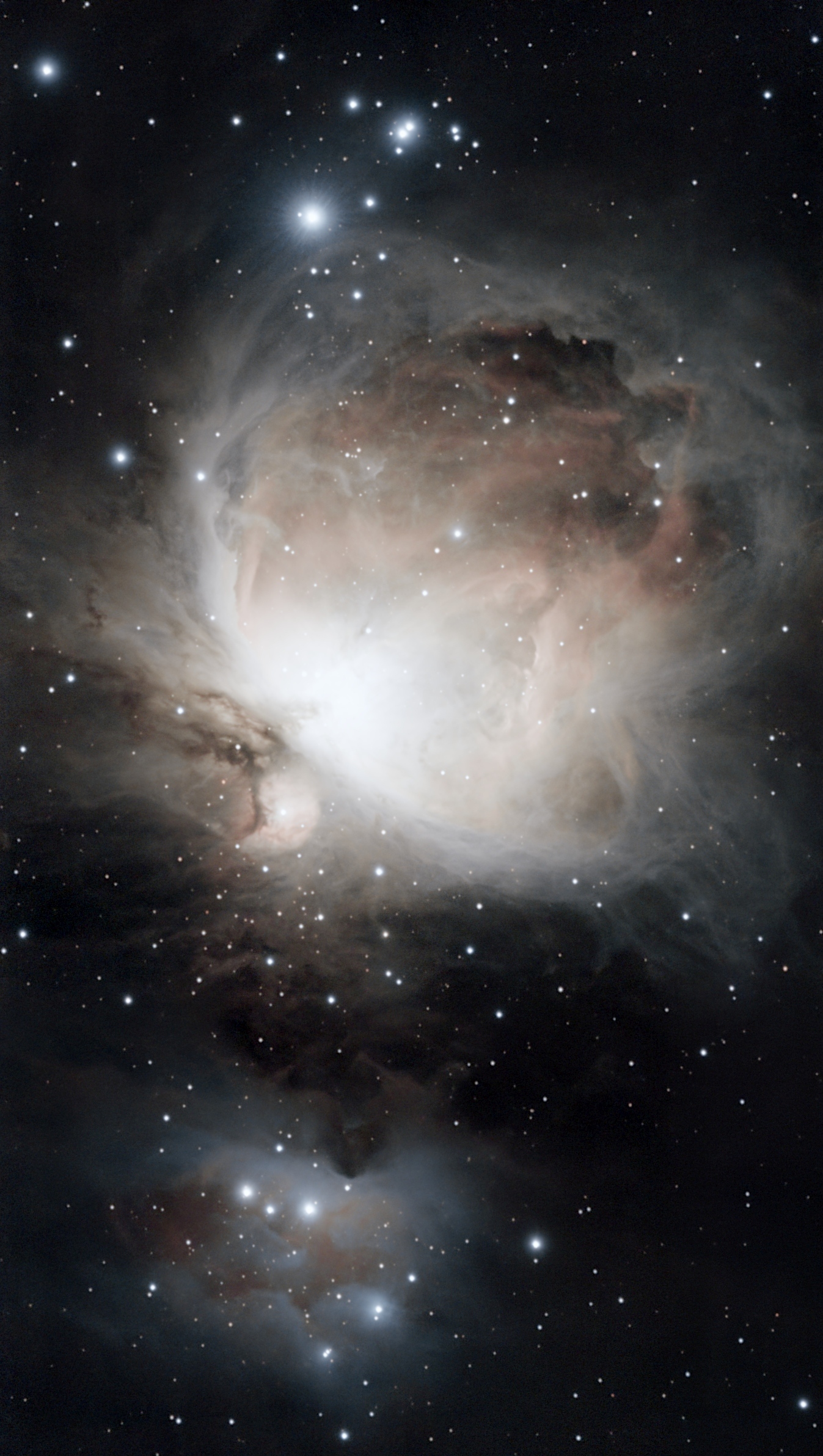
Jan. 21, 2026. IC 434 (Horsehead Nebula)
IC 434 (Horsehead Nebula) photographed with a ZWO Seestar S50 smart telescope in equatorial mode. This image is a stack of 24 thirty second exposures. The final processing was done in Siril, PixInsight, and The Gimp.
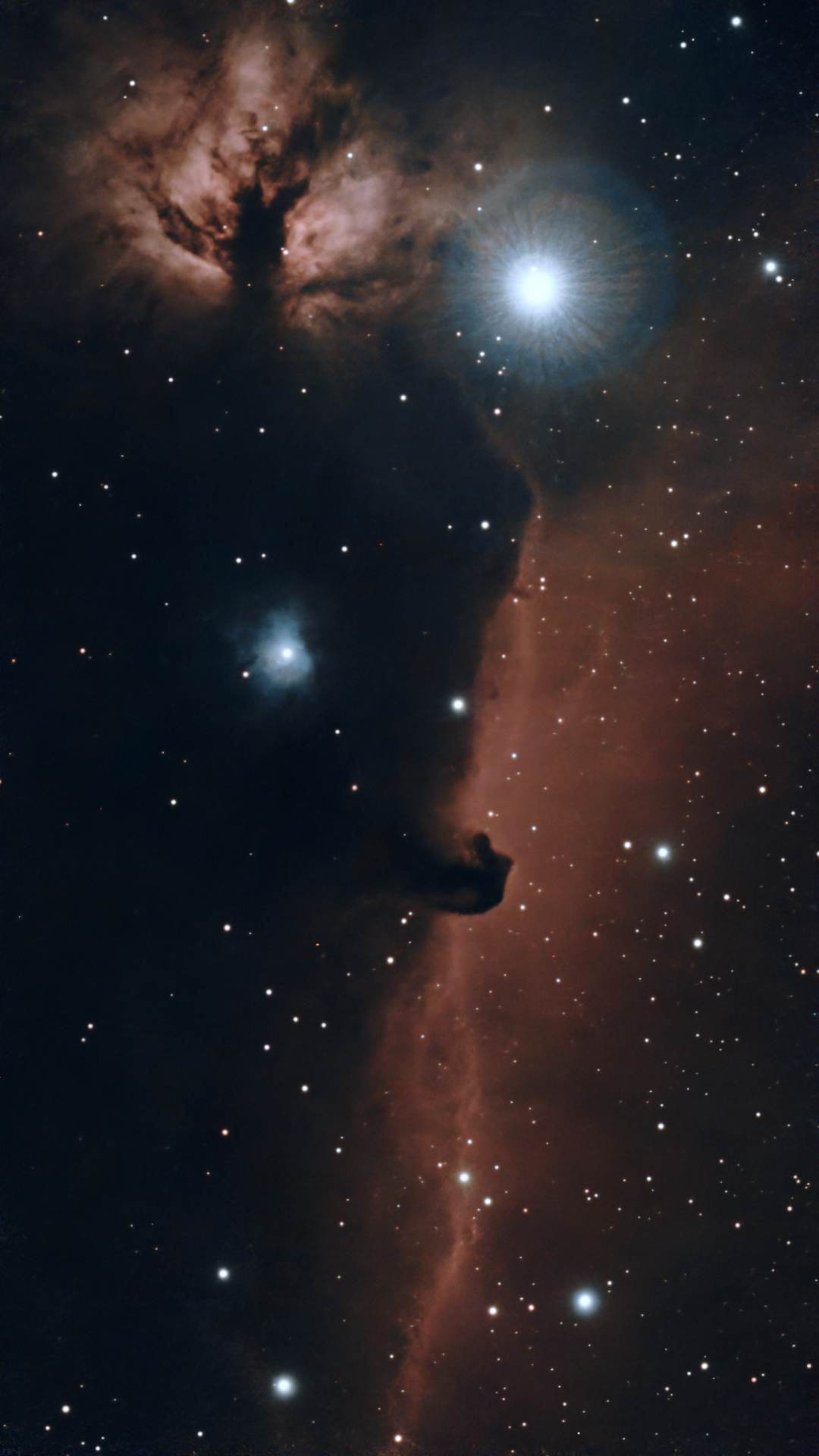
Jan. 21, 2026. IC 410
IC 410 photographed with a ZWO Seestar S50 smart telescope in equatorial mode. This image is a stack of 24 thirty second exposures. The final processing was done in Siril, and PixInsight.
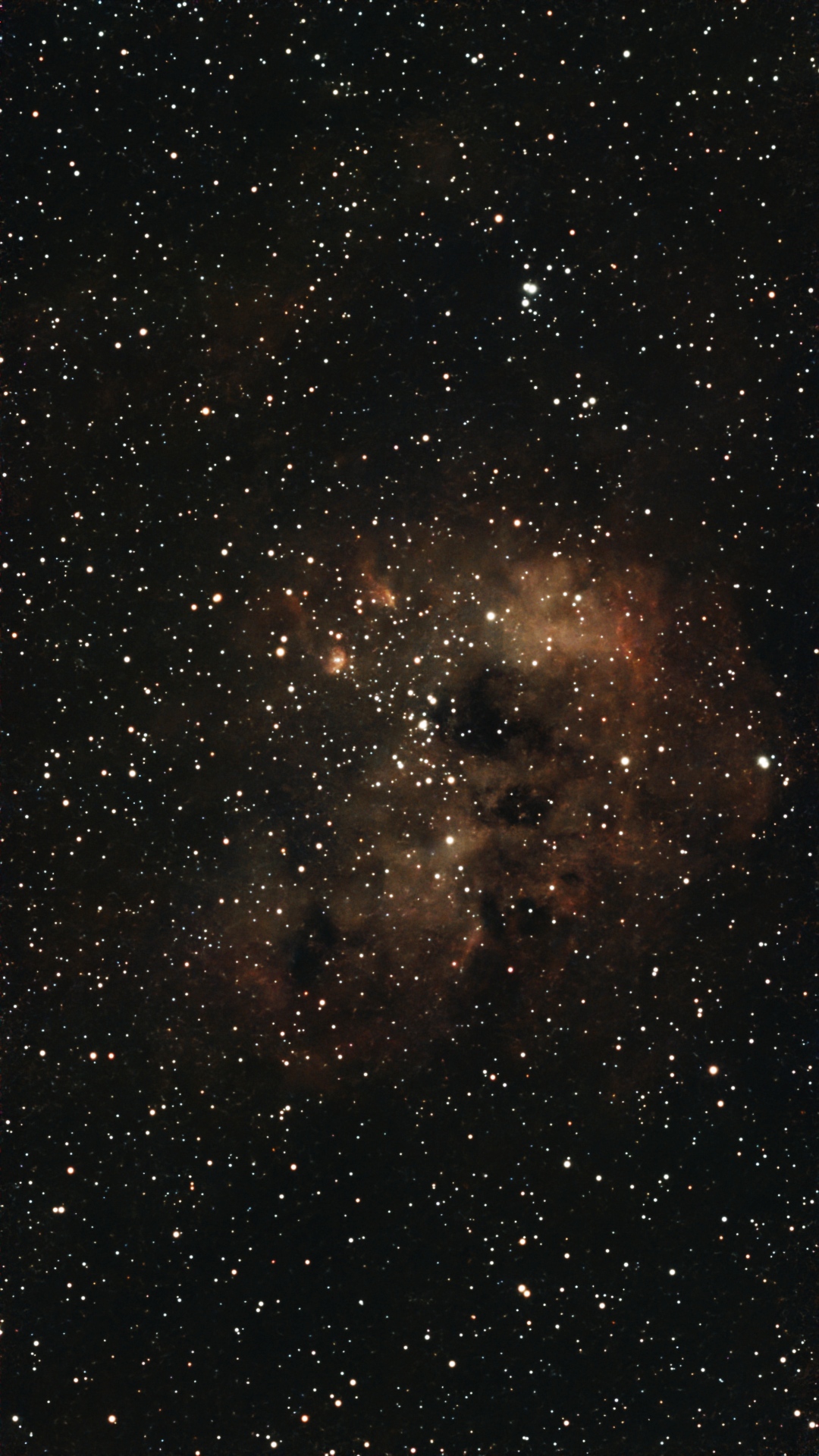
Jan. 21, 2026. M1 (Crab Nebula)
M1 (Crab Nebula) photographed with a ZWO Seestar S50 smart telescope in equatorial mode. This image is a stack of 50 thirty second exposures. The final processing was done in Siril, PixInsight, and The Gimp.
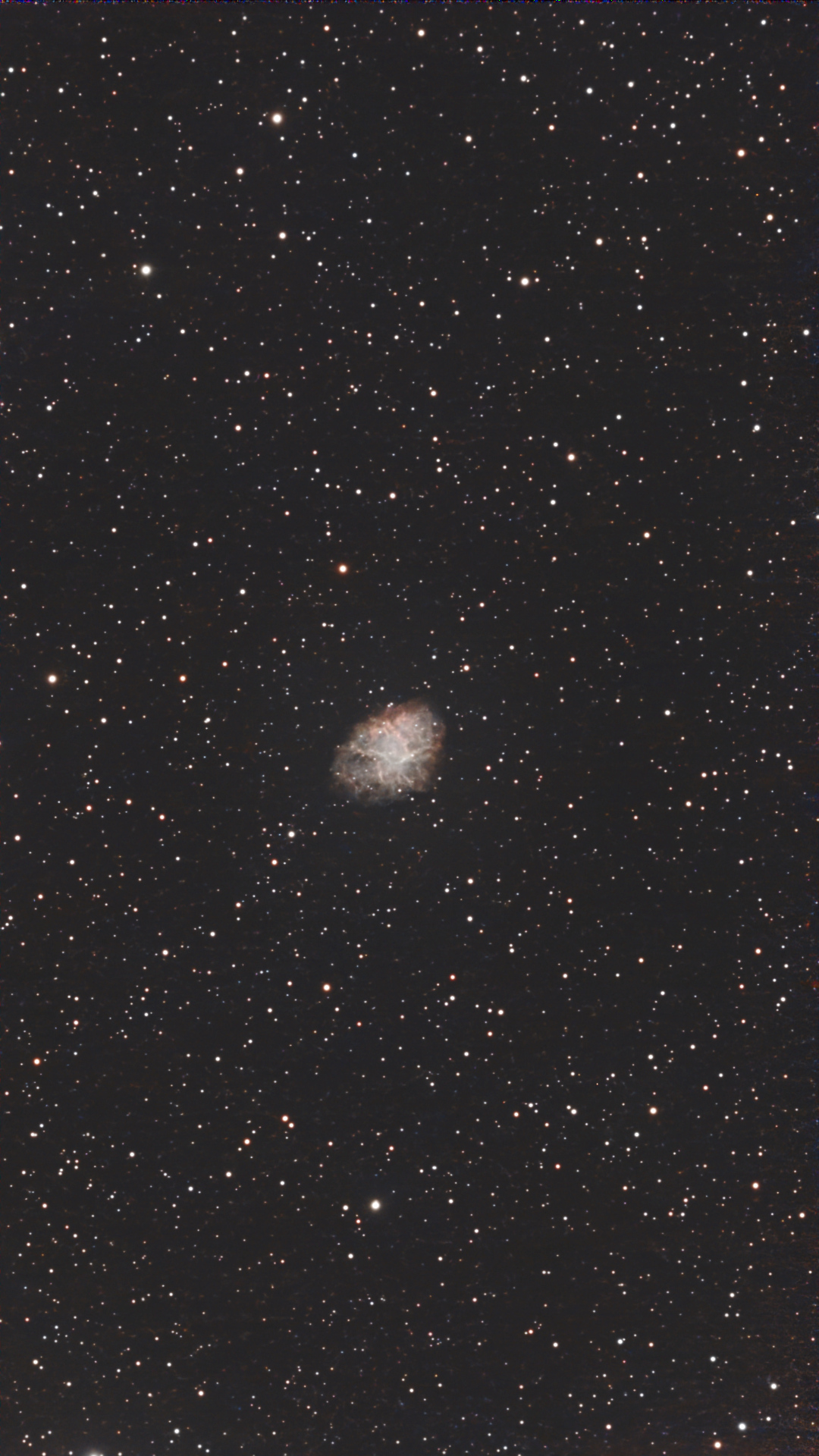
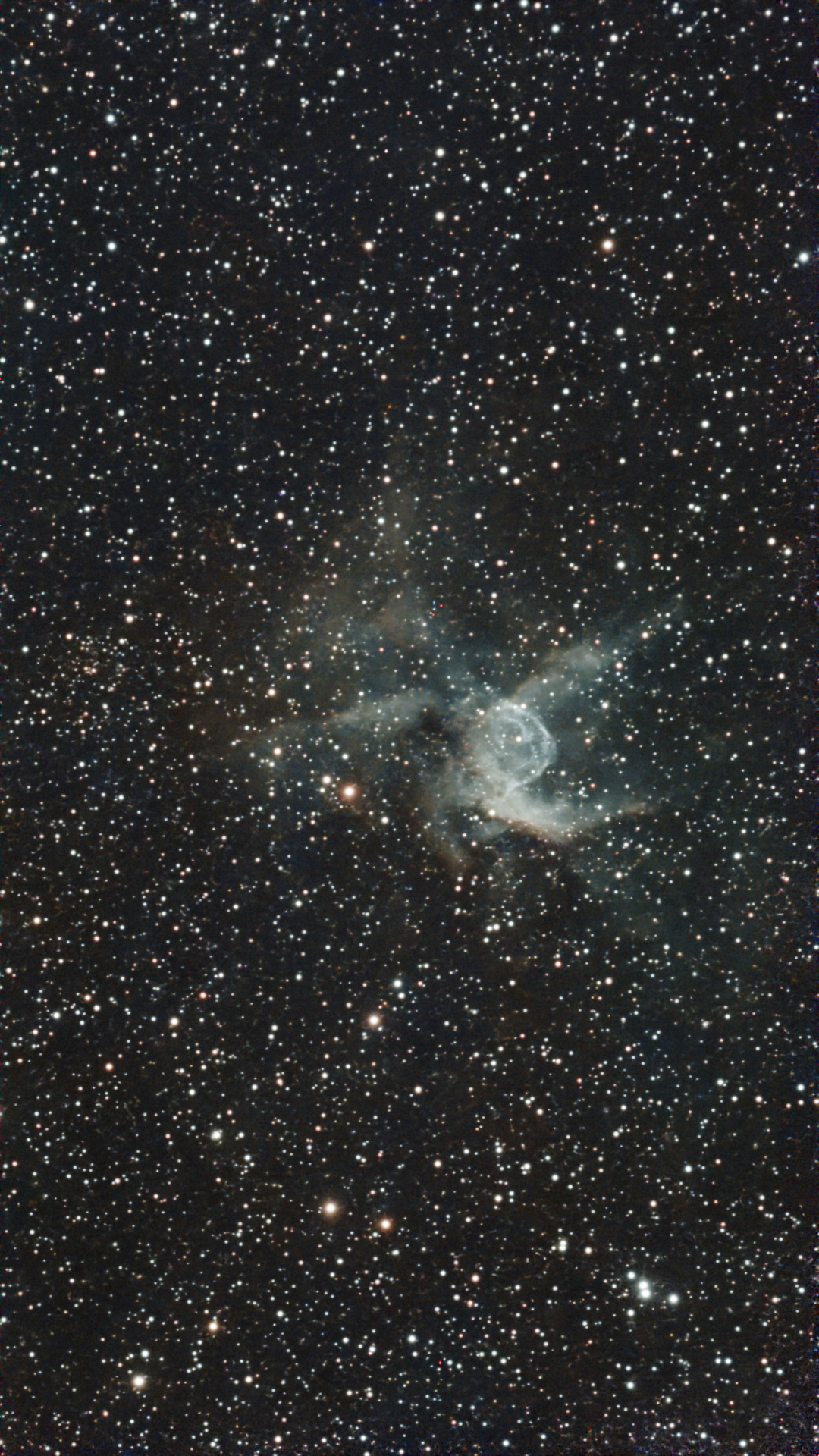
Jan. 21, 2026. SH2-298 (Thor's Helmut)
SH2-298 (Thor's Helmut) photographed with a ZWO Seestar S50 smart telescope in equatorial mode. SH2-298 is an emission nebula surrounding the Wolf-Rayet star WR7, which is a massive star in the pre-supernova stage. This image is a stack of 70 thirty second exposures. The final processing was done in Siril, and PixInsight.
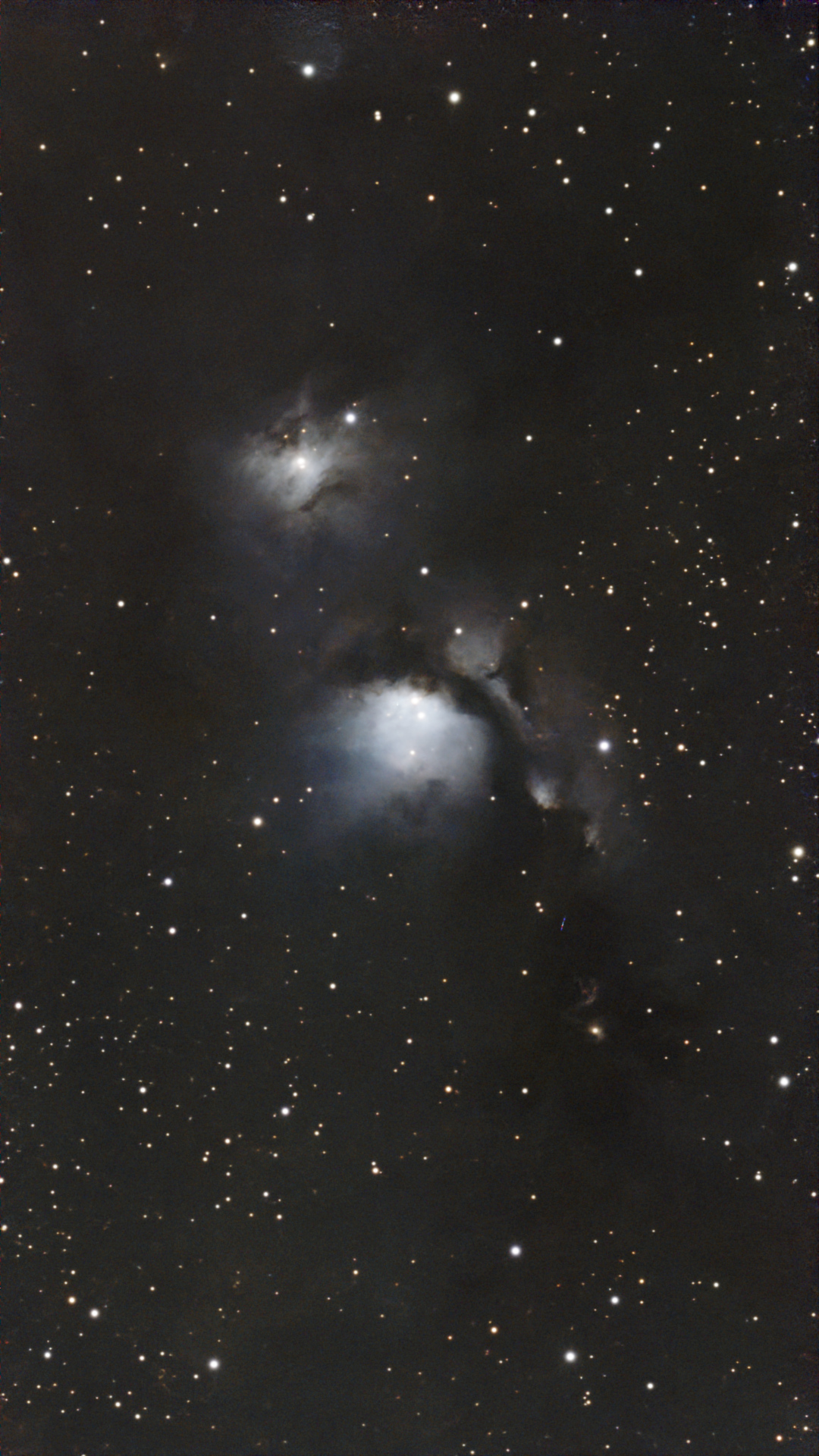
Jan. 21, 2026. M78
M78 photographed with a ZWO Seestar S50 smart telescope in equatorial mode. This image is a stack of 60 thirty second exposures. The final processing was done in Siril, PixInsight, and The Gimp.
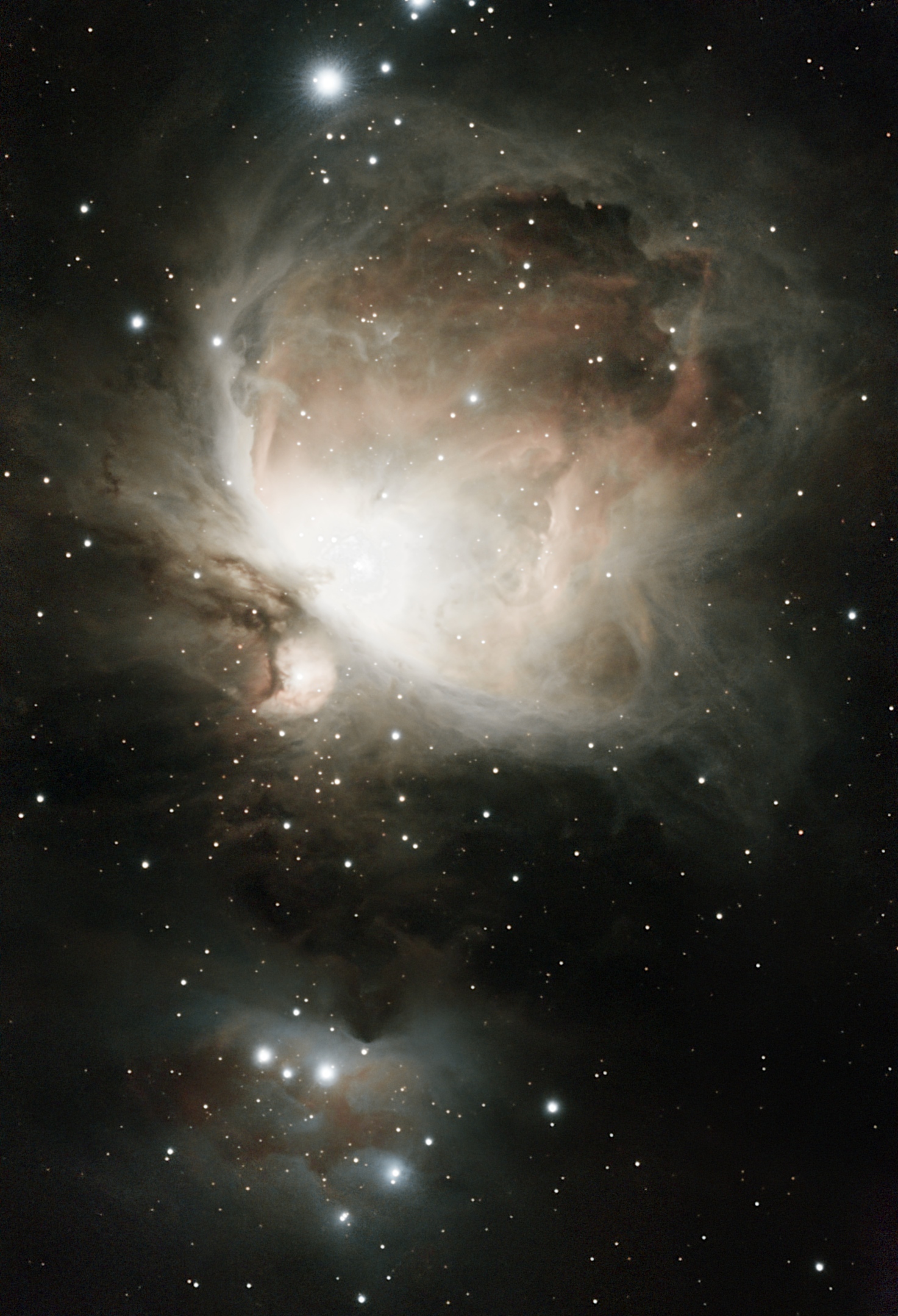
Jan. 11, 2026. M42 (Orion Nebula)
M42 (Orion Nebula) photographed with a ZWO Seestar S50 smart telescope in equatorial mode. This image is a mosaic made by manually moving the Seestar field of view to different locations around the nebula and then processing the frames in Siril to create the mosaic. The mosaic consists of 218 twenty second exposures. The final processing was done in PixInsight, and The Gimp.
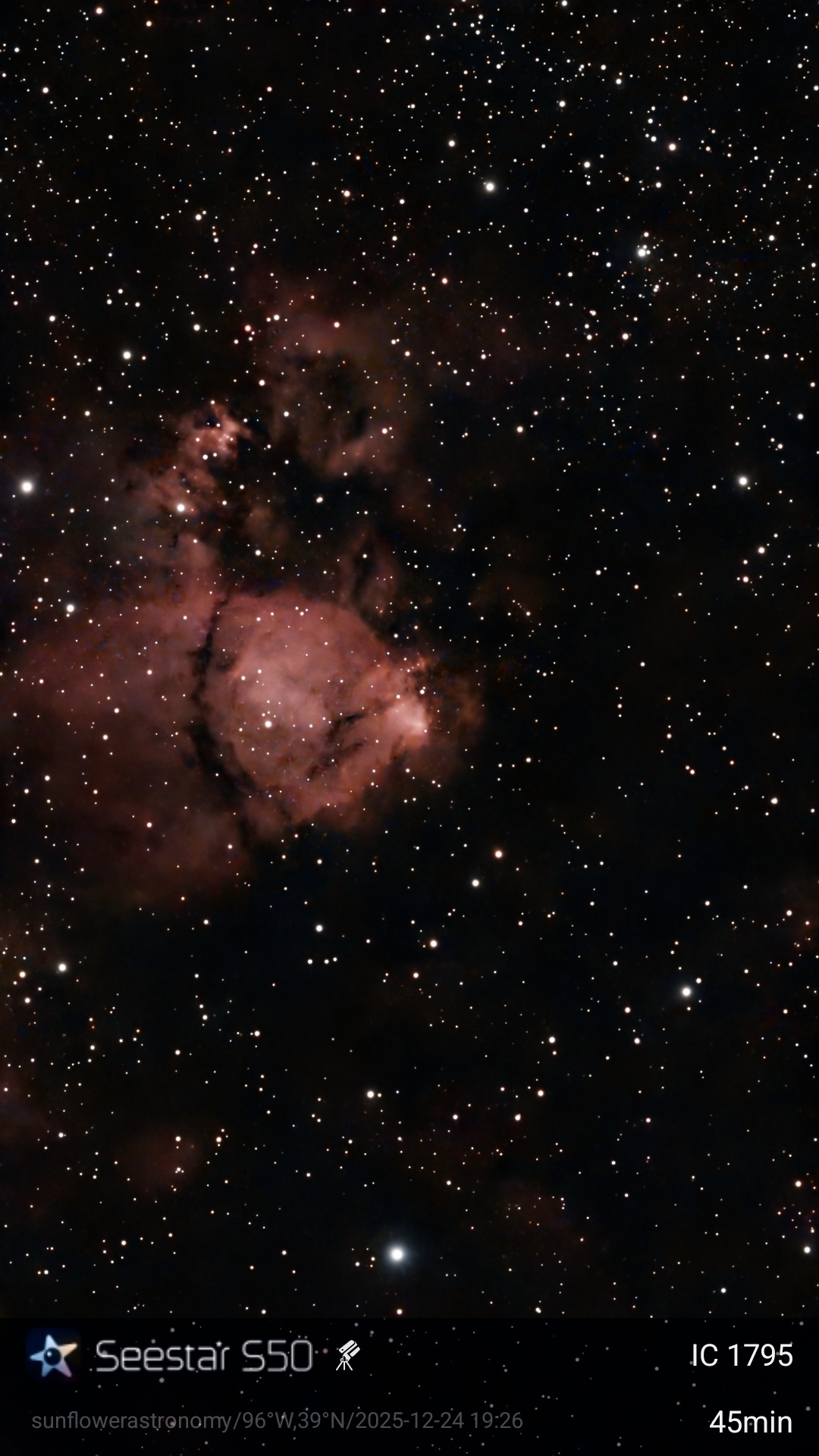
Dec. 24, 2025. IC 1795 (Fish Head Nebula)
IC 1795 (Fish Head Nebula) photographed with a ZWO Seestar S50 smart telescope in equatorial mode. This image is a stack of 89 thirty second exposures. The final processing (noise filtering and curves) was done with the Seestar App, Siril, and The Gimp.
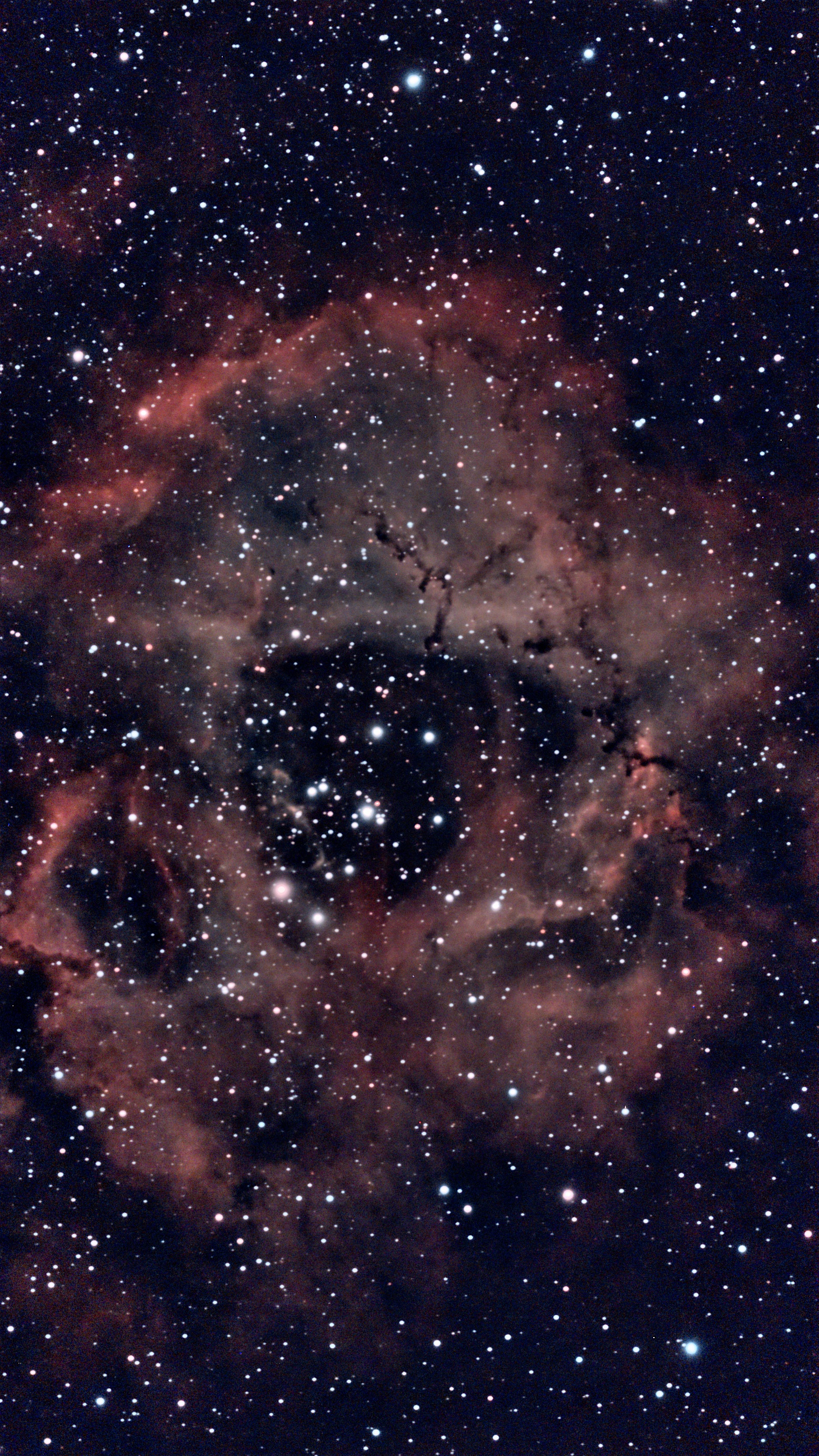
Dec. 23, 2025. NGC 2237 (Rosette Nebula)
NGC 2237 (Rosette Nebula) photographed with a ZWO Seestar S50 smart telescope in equatorial mode. This image is a mosaic of 301 thirty second exposures. The final processing (noise filtering and curves) was done with the Seestar App, Siril, and The Gimp.
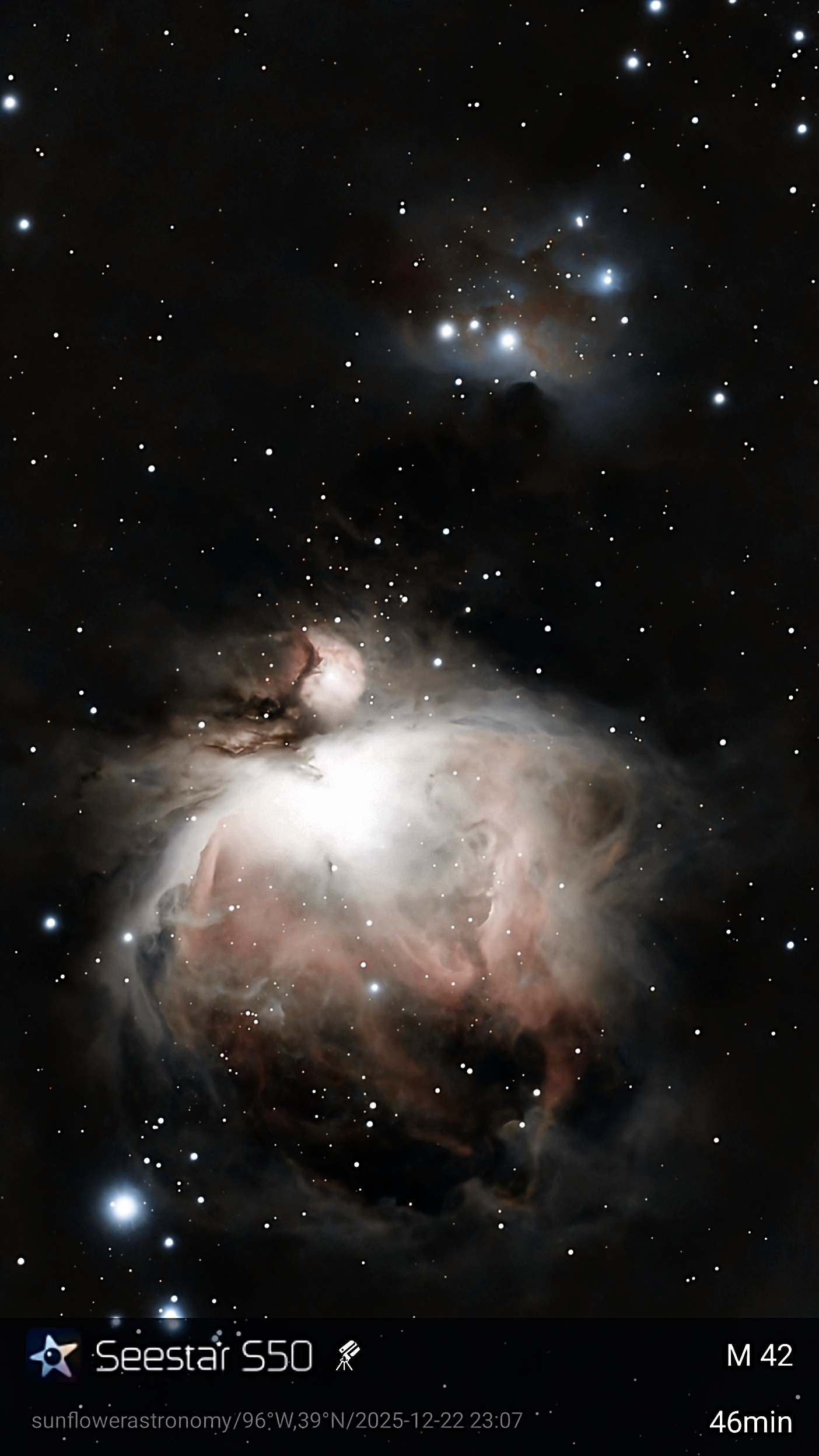
Dec. 22, 2025. M42 (Orion Nebula)
M42 (Orion Nebula) photographed with a ZWO Seestar S50 smart telescope in equatorial mode. This image is a mosaic created within the Seestar App using a magnification of 1.3. The mosaic consists of 280 ten second exposures. The final processing (noise filtering, levels, curves, deconvolution, and wavelets) was done with the Seestar App, Siril, The Gimp, AstraImage, and Neat Image.
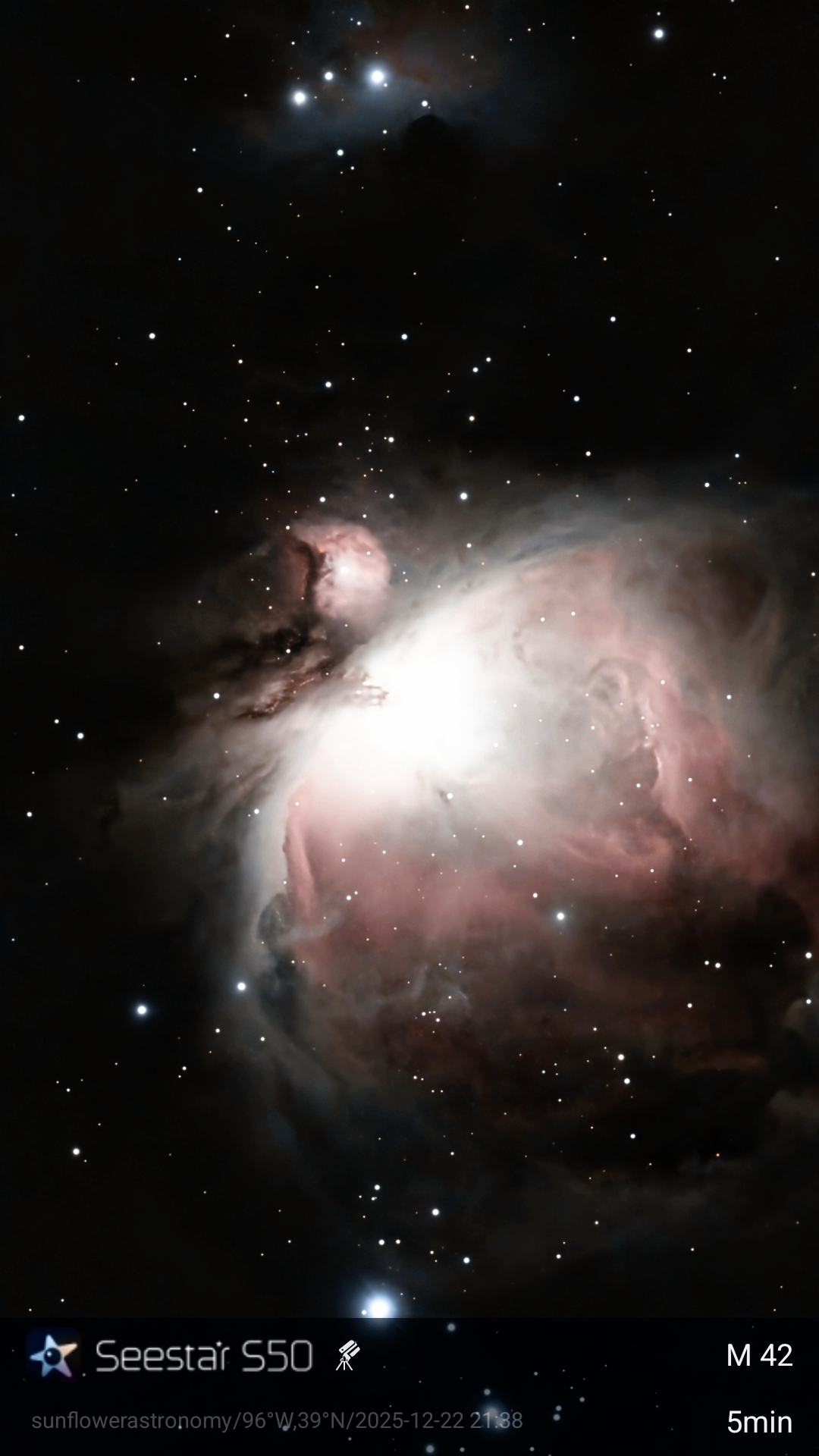
Dec. 22, 2025. M42 (Orion Nebula)
M42 (Orion Nebula) photographed with a ZWO Seestar S50 smart telescope in equatorial mode. This image is a stack of 10 thirty second exposures. The final processing (noise filtering and curves) was done with the Seestar App, Siril, and The Gimp.
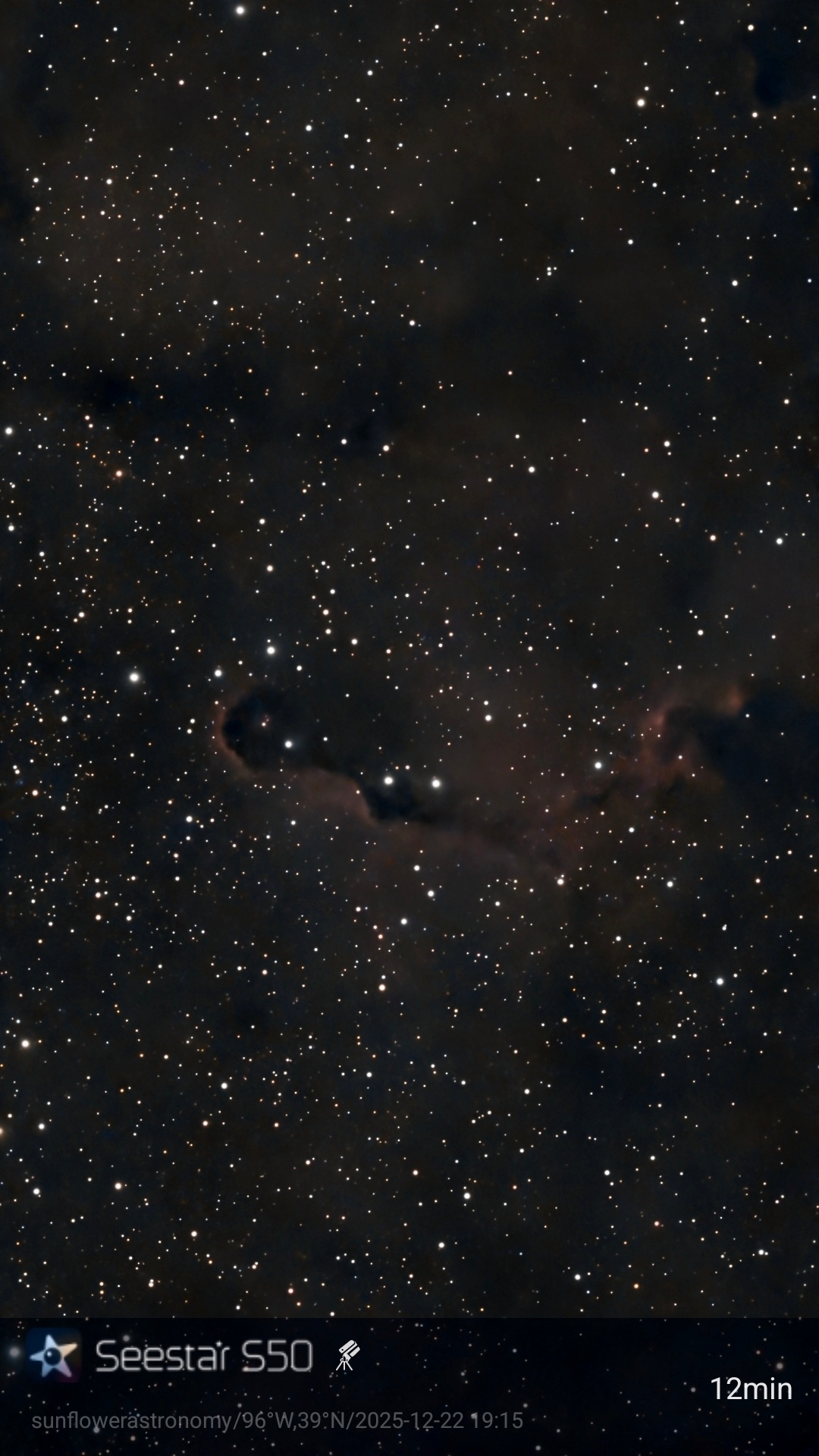
Dec. 22, 2025. IC 1396A (Elephant Trunk Nebula)
IC 1396A (Elephant Trunk Nebula) photographed with a ZWO Seestar S50 smart telescope in equatorial mode. It is a dark nebula that is a region of star formation. This image is a stack of 12 sixty second exposures. The final processing (noise filtering and curves) was done with the Seestar App, Siril, and The Gimp.
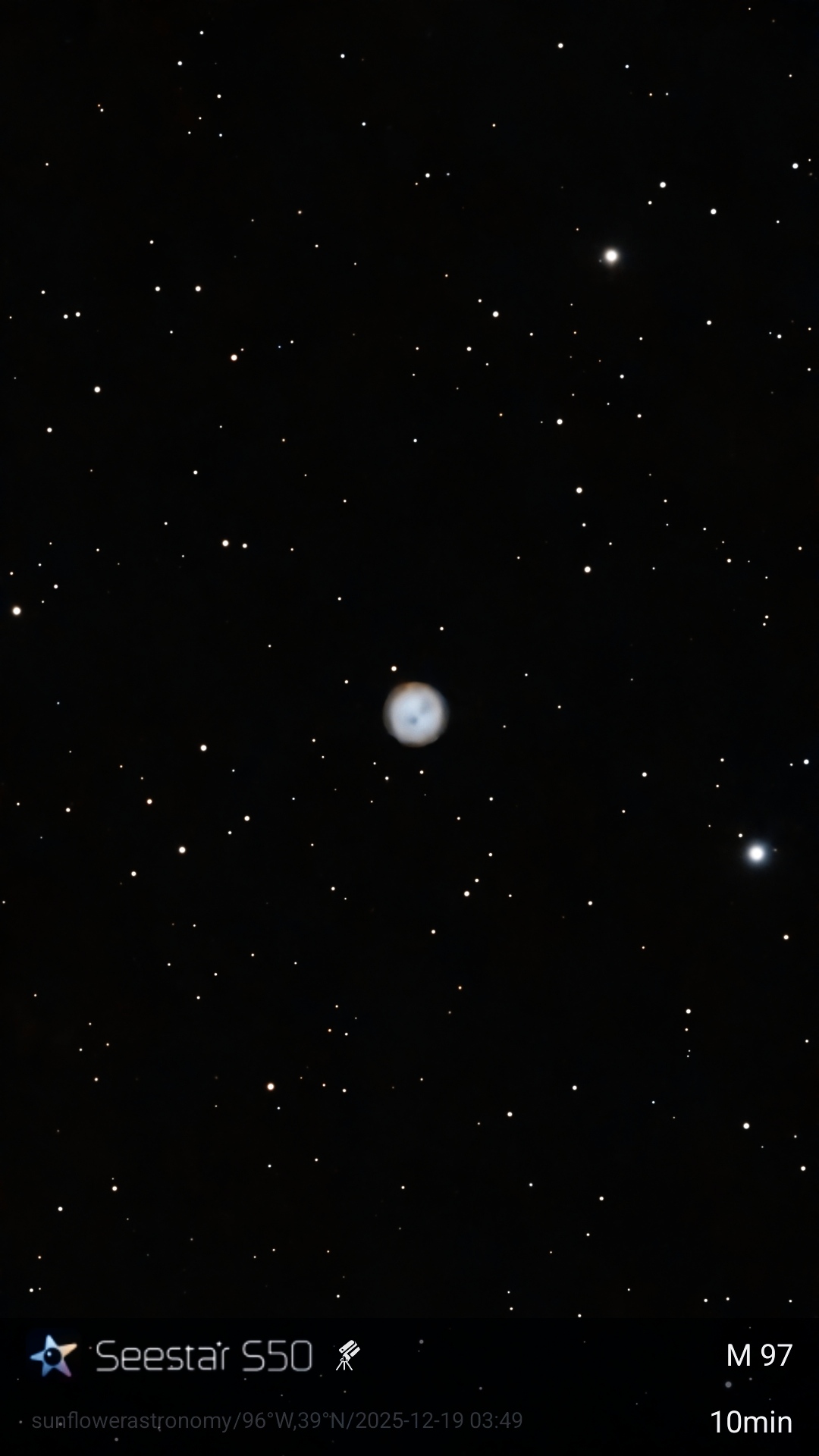
Dec. 19, 2025. M97 (Owl Nebula)
M97 (Owl Nebula) photographed with a ZWO Seestar S50 smart telescope in equatorial mode. It is a planetary nebula, which is the remnant of a star like our Sun that has died. This image is a stack of 12 thirty second exposures. The nebula is the small green spot near the center of the image. The final processing (noise filtering and curves) was done with the Seestar App, Siril, and The Gimp.
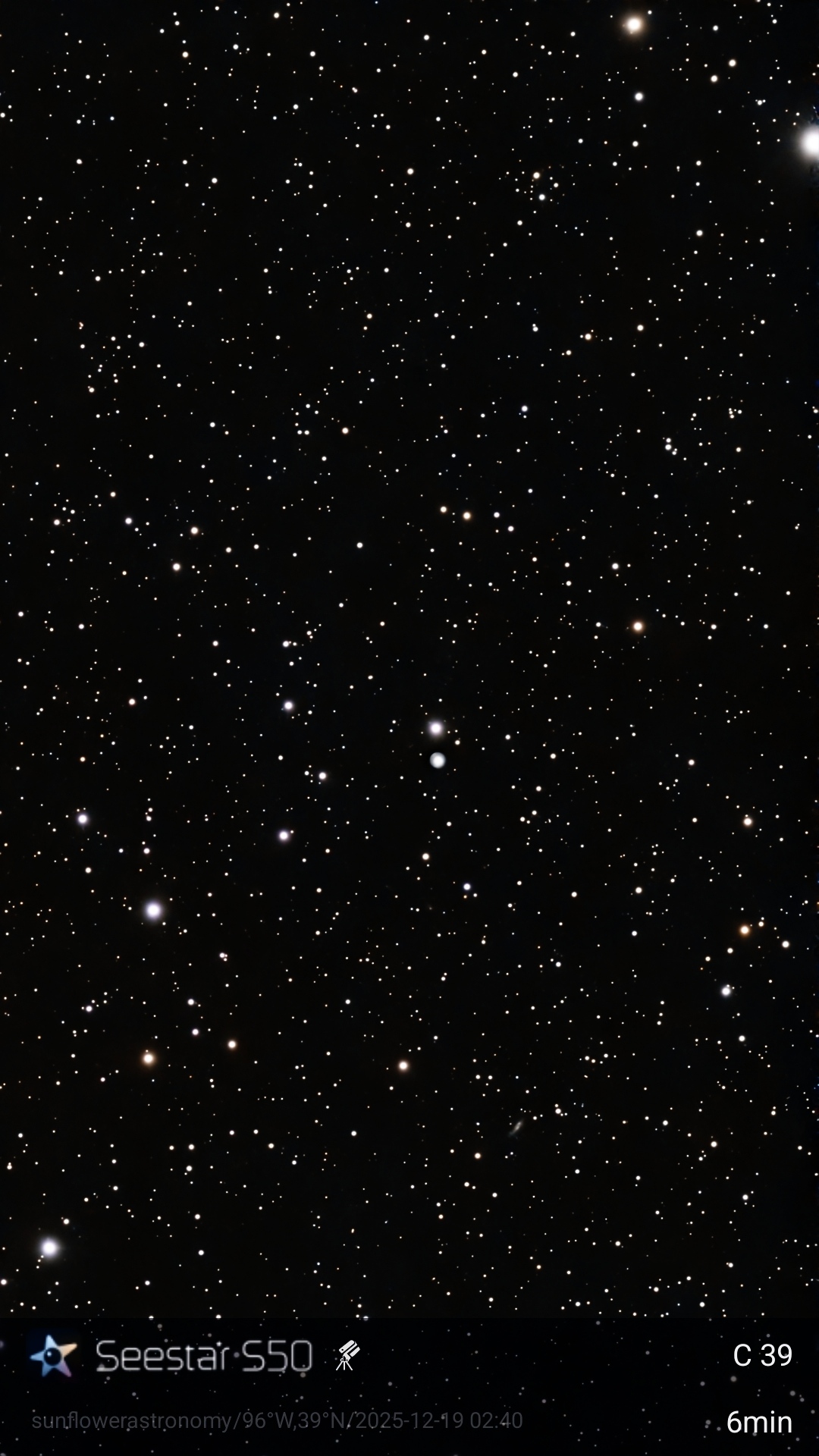
Dec. 19, 2025. Caldwell 39 (Eskimo Nebula)
Caldwell 39 (Eskimo Nebula) photographed with a ZWO Seestar S50 smart telescope in equatorial mode. It is a planetary nebula, which is the remnant of a star like our Sun that has died. This image is a stack of 12 thirty second exposures. The nebula is the small green spot near the center of the image. The final processing (noise filtering and curves) was done with the Seestar App, Siril, and The Gimp. This object is almost too small to image with the Seestar.
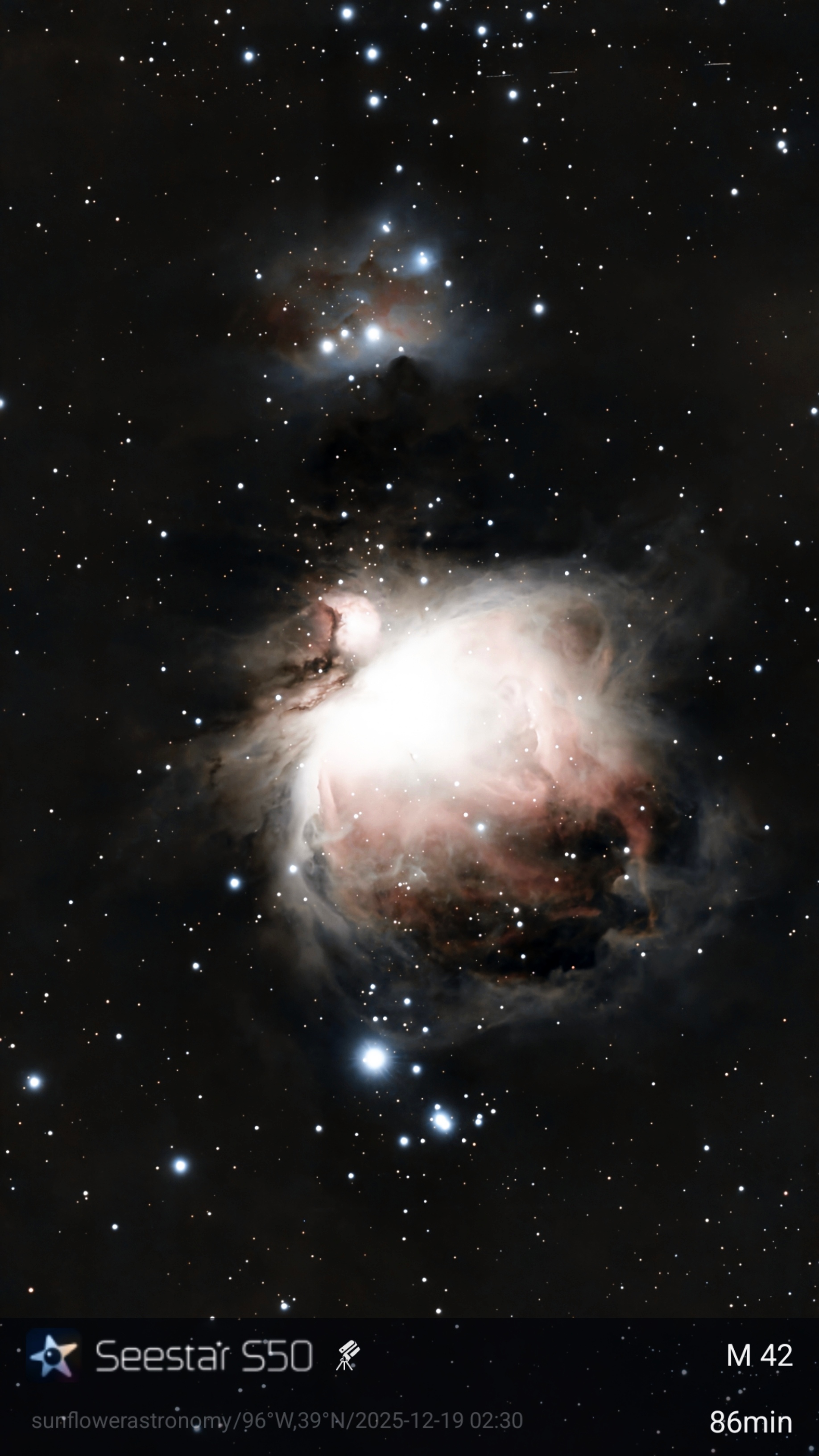
Dec. 19, 2025. M42 (Orion Nebula)
M42 (Orion Nebula) photographed with a ZWO Seestar S50 smart telescope in equatorial mode. This image is a mosaic created within the Seestar App using a magnification of 1.7. The mosaic consists of 516 ten second exposures. The final processing (noise filtering and curves) was done with the Seestar App, Siril, and The Gimp. The image is oversaturated and shows some artifacts from the mosaic creation process.
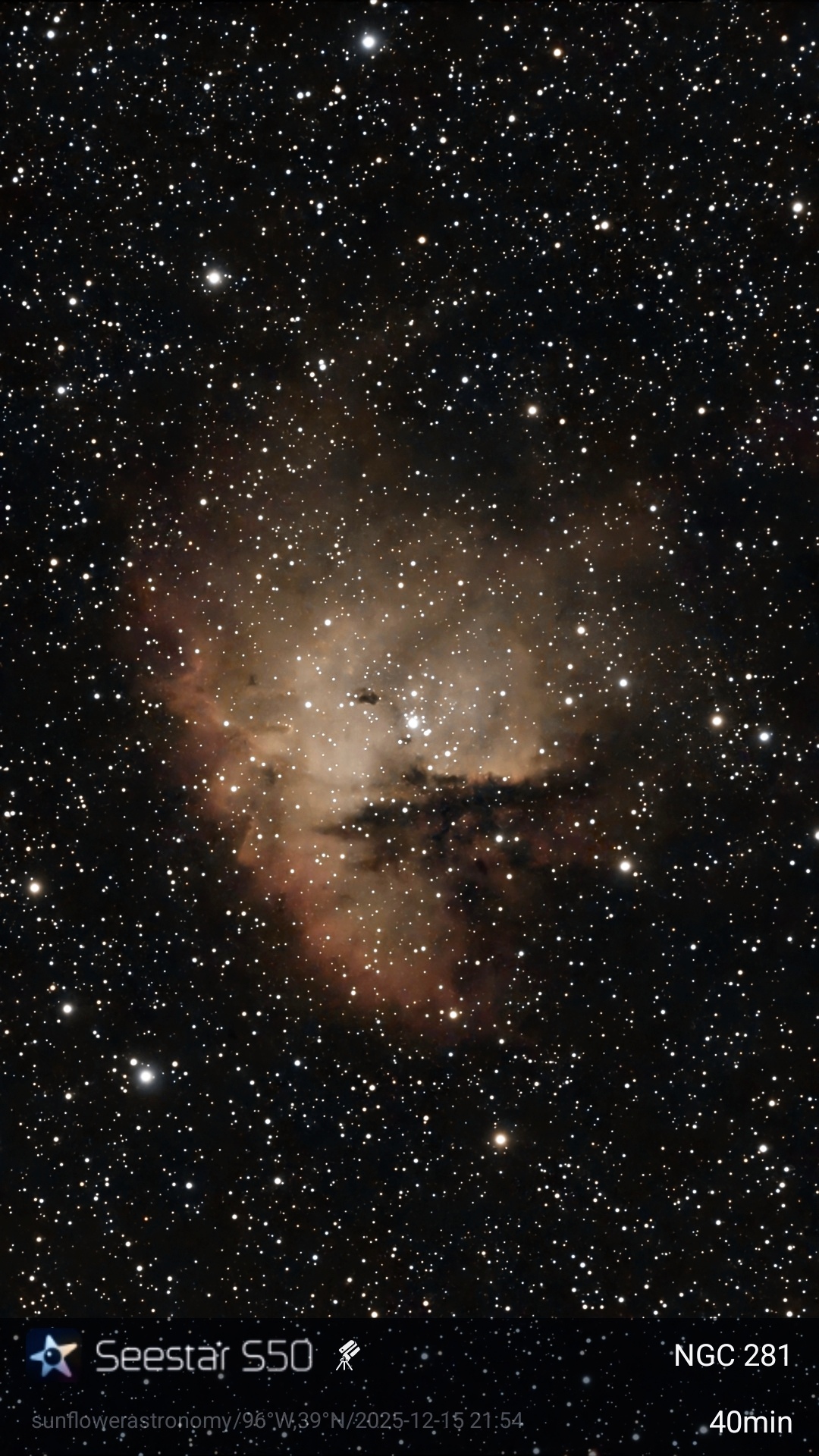
Dec. 15, 2025. NGC 281 (Pacman Nebula)
NGC 281 (Pacman Nebula) photographed with a ZWO Seestar S50 smart telescope in equatorial mode. This image is a stack of 80 thirty second exposures. The final processing (noise filtering and curves) was done with the Seestar App, Siril, and The Gimp.
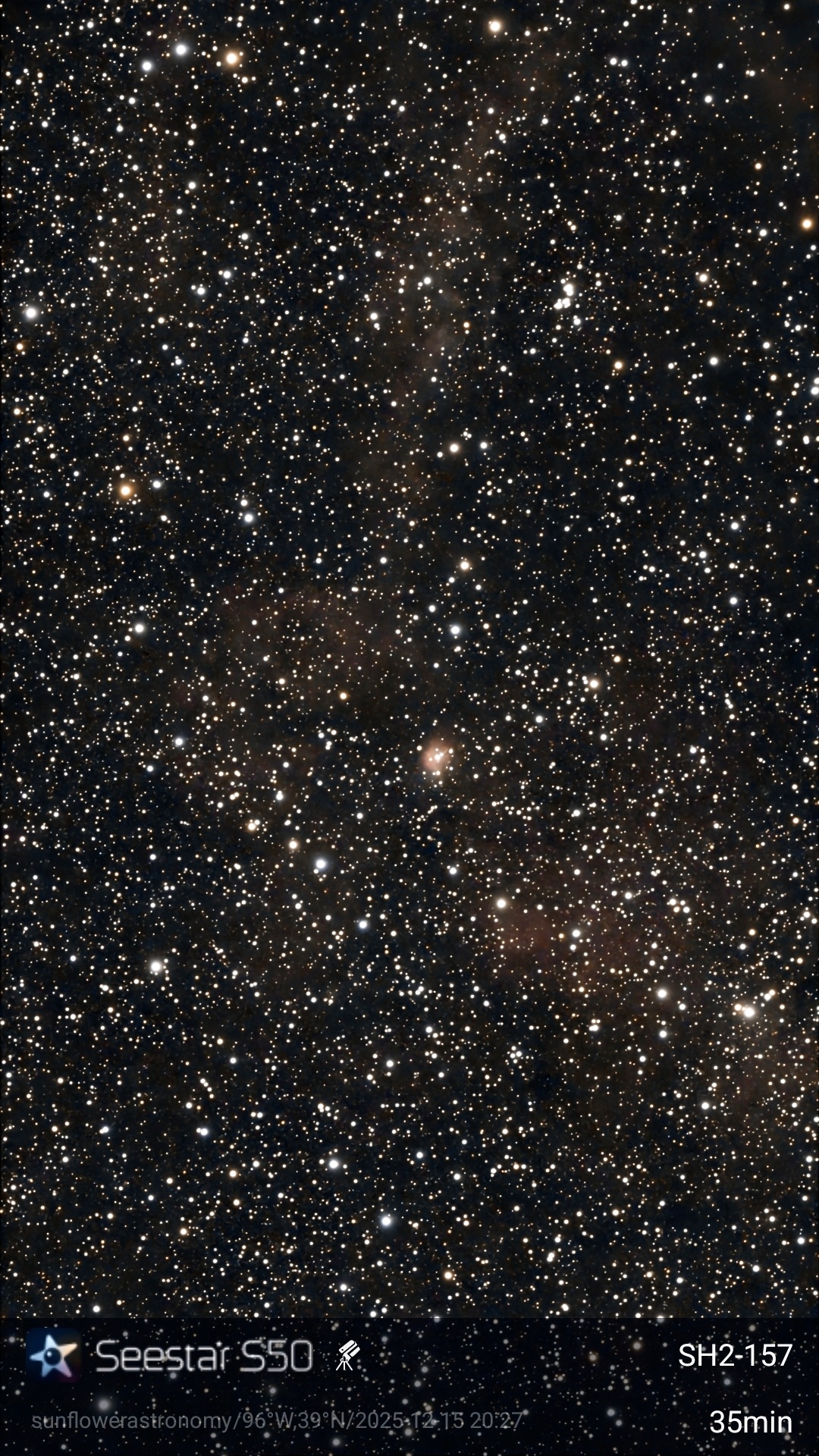
Dec. 15, 2025. SH2-157 (Lobster Claw Nebula)
SH2-157 (Lobster Claw Nebula) photographed with a ZWO Seestar S50 smart telescope in equatorial mode. This image only captures about half of the nebula. This image is a stack of 70 thirty second exposures. The final processing (noise filtering and curves) was done with the Seestar App, Siril, and The Gimp.
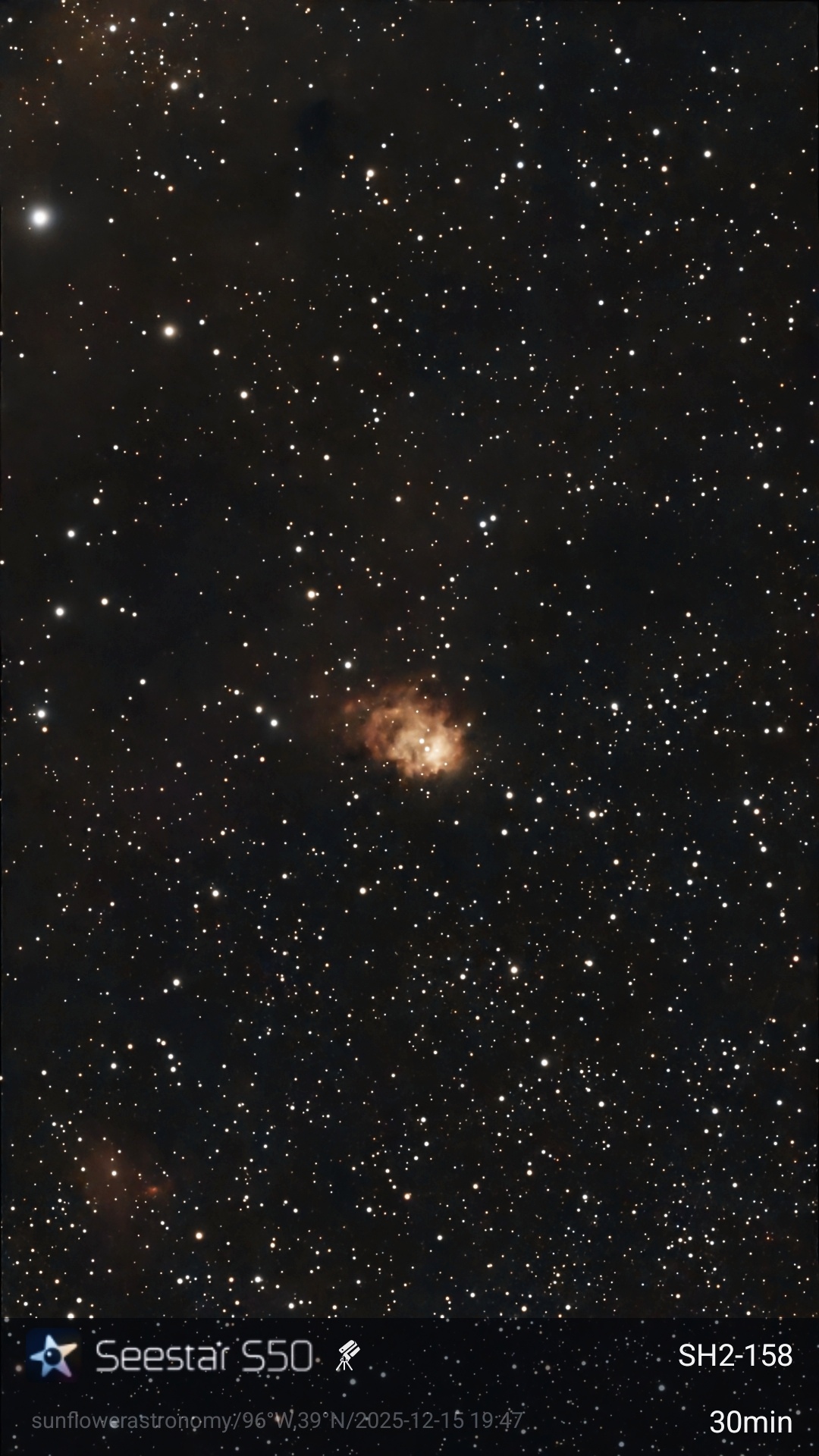
Dec. 15, 2025. SH2-158 (Northern Lagoon Nebula)
SH2-158 (Northern Lagoon Nebula) photographed with a ZWO Seestar S50 smart telescope in equatorial mode. This image is a stack of 60 thirty second exposures. The final processing (noise filtering and curves) was done with the Seestar App, Siril, and The Gimp.
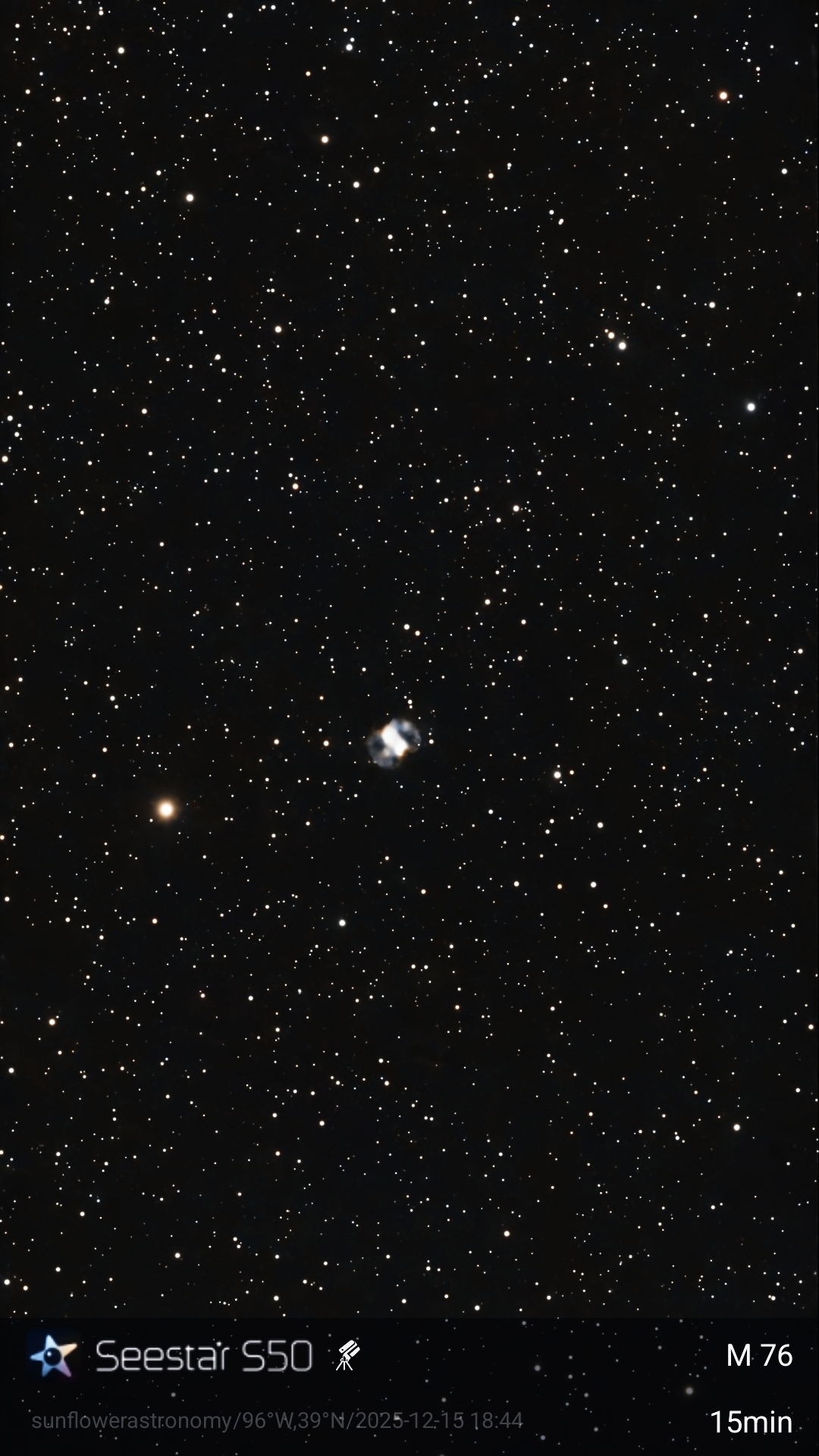
Dec. 15, 2025. M76
M76 photographed with a ZWO Seestar S50 smart telescope in equatorial mode. It is a planetary nebula, which is the remnant of a star like our Sun that has died. This image is a stack of 45 thirty second exposures. The final processing (noise filtering and curves) was done with the Seestar App, Siril, and The Gimp.
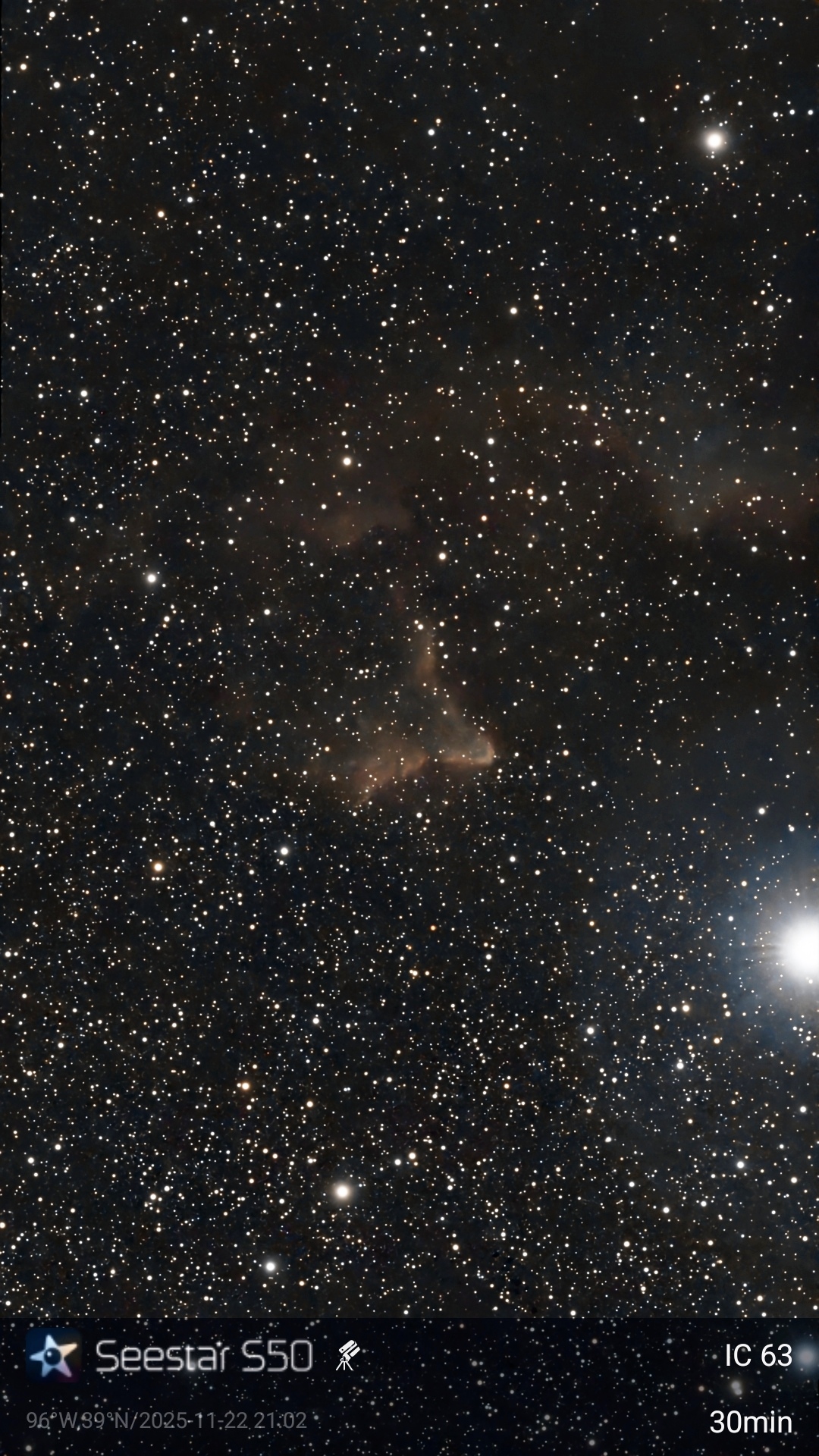
Nov. 22, 2025. IC 63 (Ghost Nebula)
IC 63 (Ghost Nebula) photographed with a ZWO Seestar S50 smart telescope in equatorial mode. This image is a stack of 30 sixty second exposures. The final processing (noise filtering and curves) was done with the Seestar App, Siril, and The Gimp.
Nov. 22, 2025. NGC 7293 (Helix Nebula)
NGC 7293 (Helix Nebula) photographed with a ZWO Seestar S50 smart telescope in equatorial mode. It is a planetary nebula, which is the remnant of a star like our Sun that has died. This image is a stack of 31 thirty second exposures. The final processing (noise filtering and curves) was done with the Seestar App, Siril, and The Gimp.
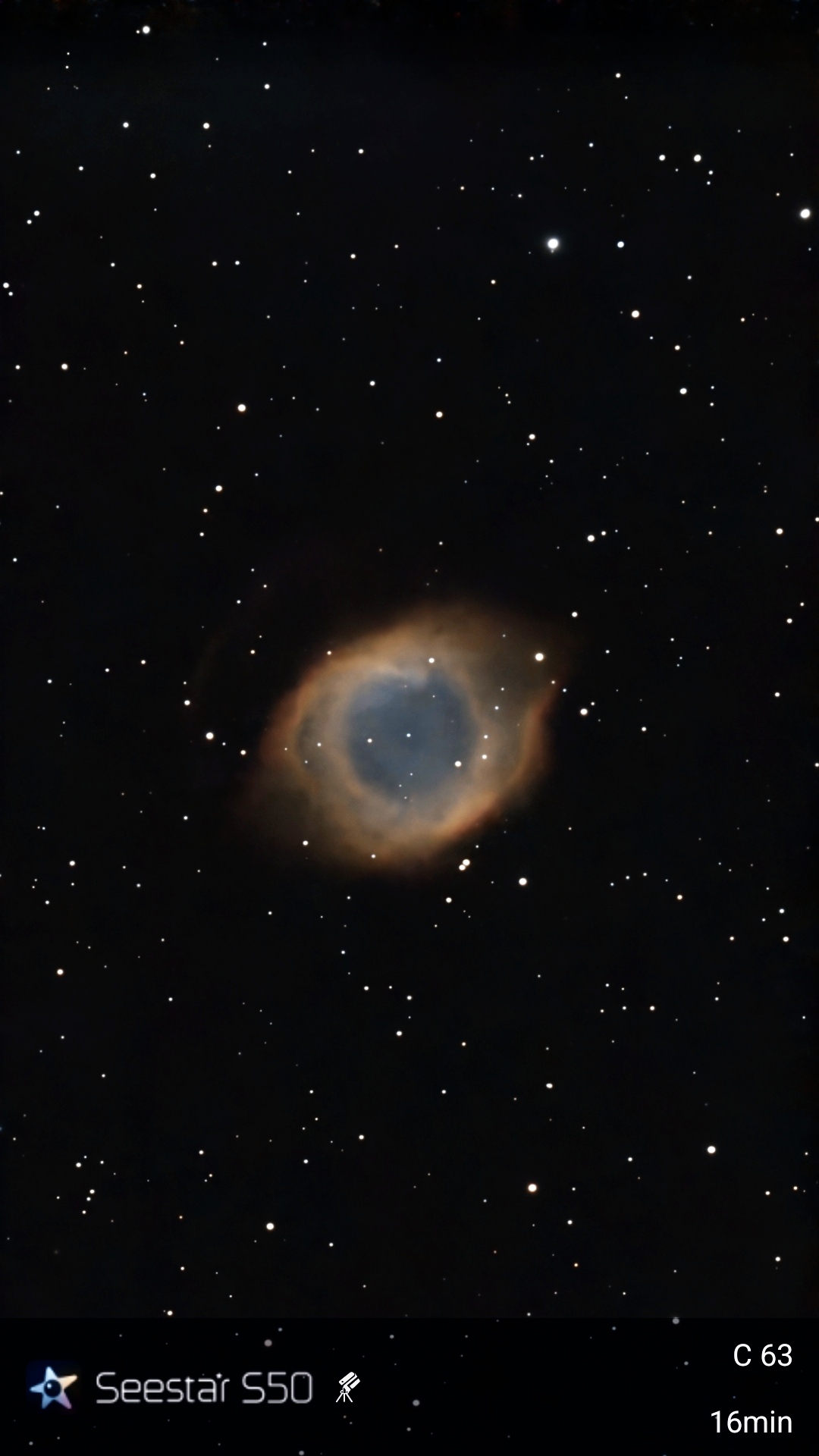
Nov. 22, 2025. NGC 6826 (Blinking Planetary)
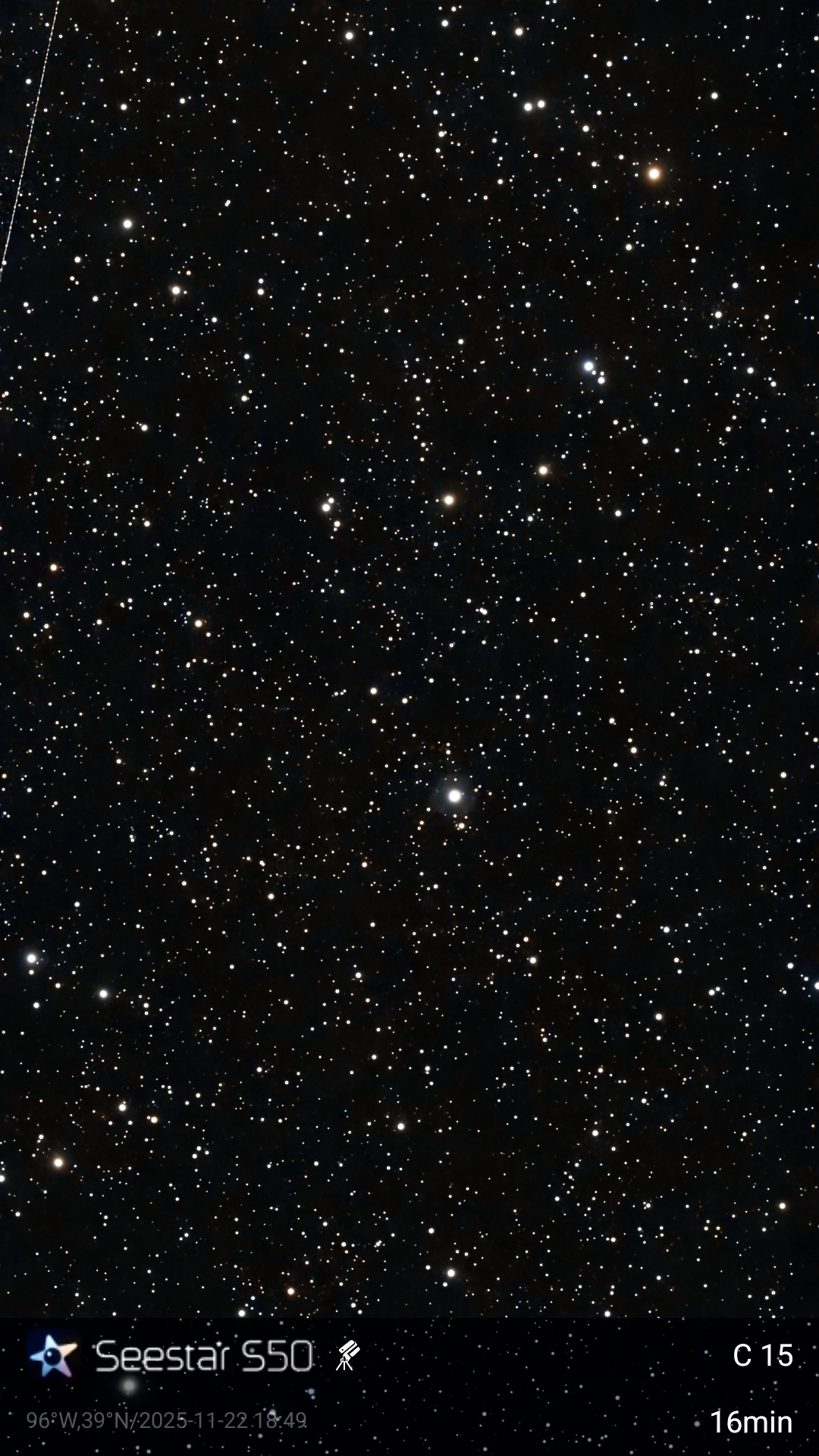
NGC 6826 (also known as Caldwell 15 is commonly referred to as the Blinking Planetary) photographed with a ZWO Seestar S50 smart telescope in equatorial mode. It is a planetary nebula, which is the remnant of a star like our Sun that has died. This image is a stack of 31 thirty second exposures. The final processing (noise filtering and curves) was done with the Seestar App, Siril, and The Gimp.
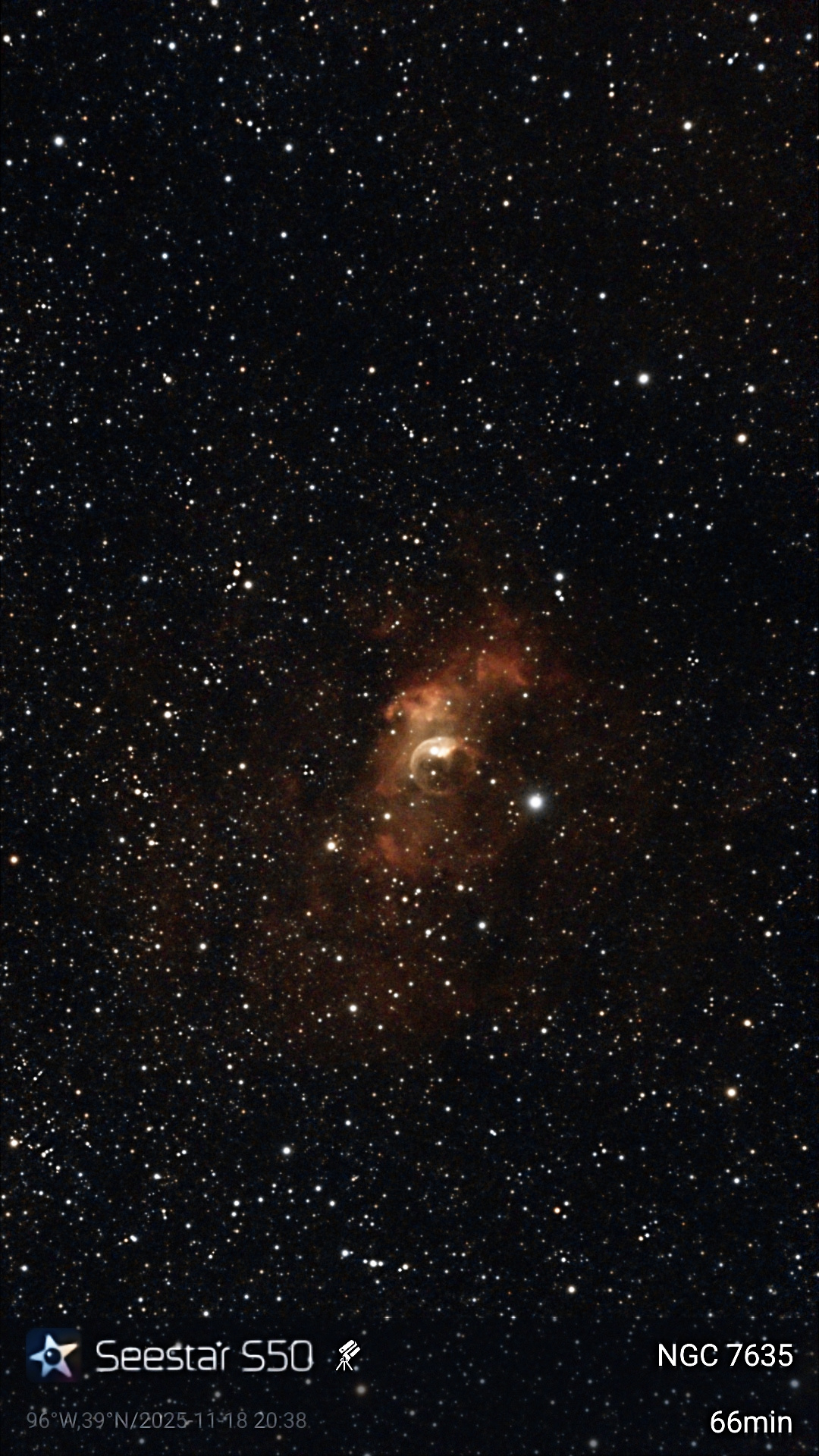
Nov. 18, 2025. NGC 7635 (Bubble Nebula)
NGC 7635 (Bubble Nebula) photographed with a ZWO Seestar S50 smart telescope in equatorial mode. This image is a stack of 132 thirty second exposures. The final processing (noise filtering and curves) was done with the Neat Image, Siril, and The Gimp.
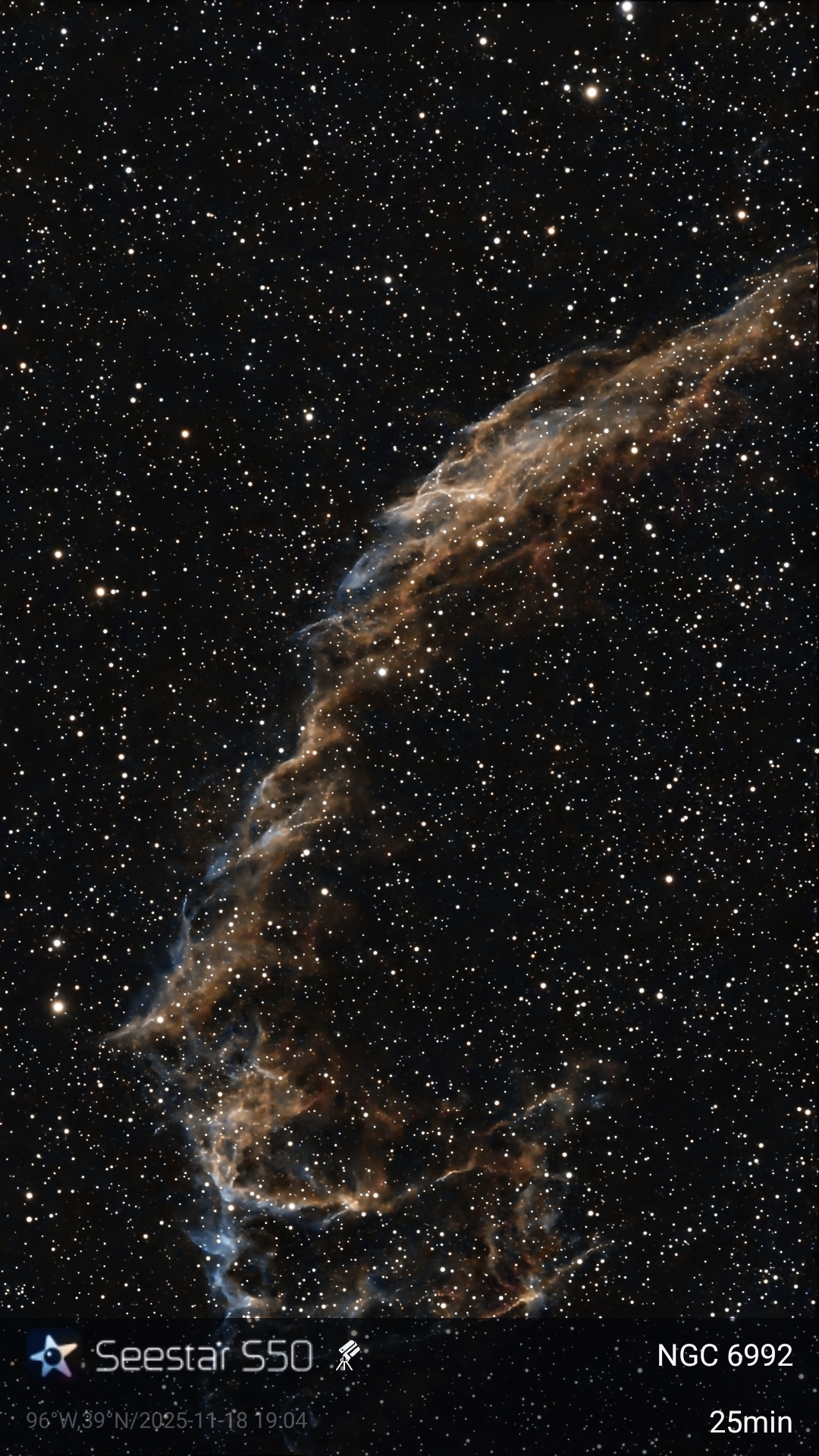
Nov. 18, 2025. NGC 6992 (Eastern Veil Supernova Remnant)
NGC 6992 photographed with a ZWO Seestar S50 smart telescope in equatorial mode. This image is a stack of 75 twenty second exposures. The final processing (noise filtering and curves) was done with the Seestar App, Siril, and The Gimp.
Nov. 16, 2025. NGC 6992 (Veil Supernova Remnant)
NGC 6992 photographed with a ZWO Seestar S50 smart telescope. This image is a stack of 138 ten second exposures. The final processing (noise filtering and curves) was done with the Seestar App, Siril, and The Gimp.
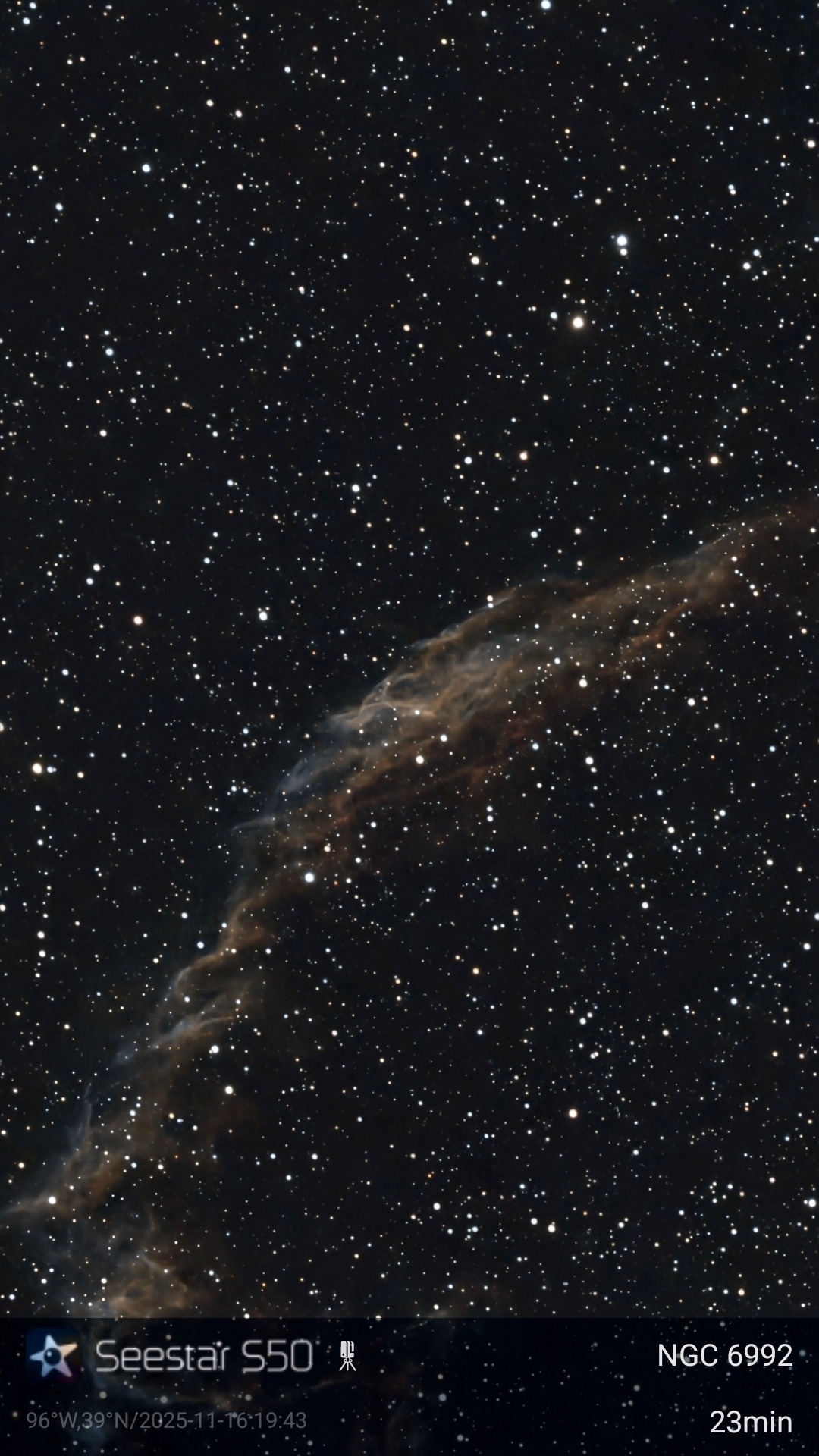
Oct. 30, 2025. IC 417 (Spider Nebula)
IC 417 (Spider Nebula) photographed with a ZWO Seestar S50 smart telescope. This image is a stack of 90 ten second exposures. The final processing (noise filtering and curves) was done with the Seestar App, Siril, and The Gimp.
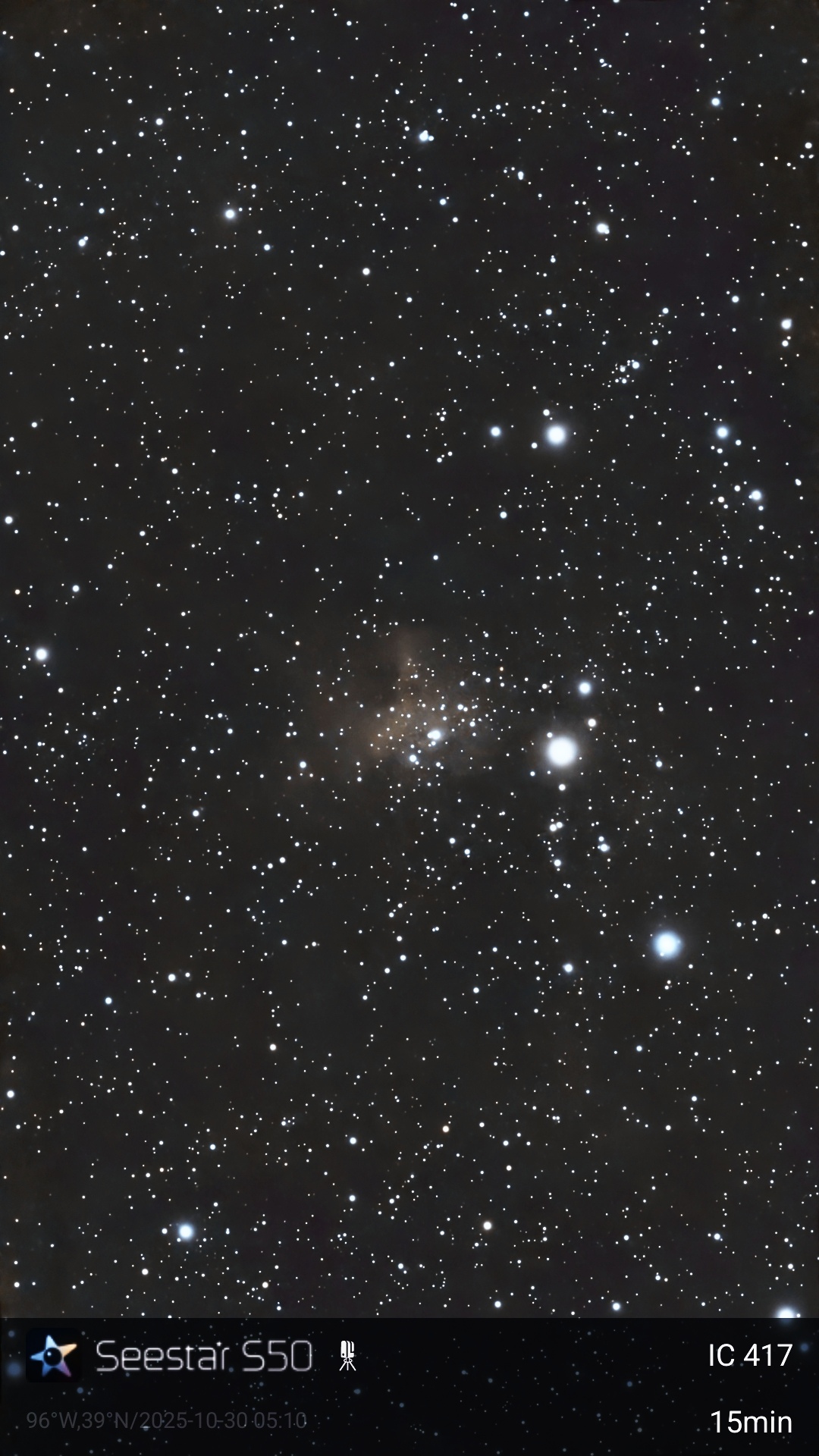
Oct. 30, 2025. IC 405 (Flaming Star Nebula)
IC 405 (Flaming Star Nebula) photographed with a ZWO Seestar S50 smart telescope. This image is a stack of 42 ten second exposures. The final processing (noise filtering and curves) was done with the Seestar App, Siril, and The Gimp.
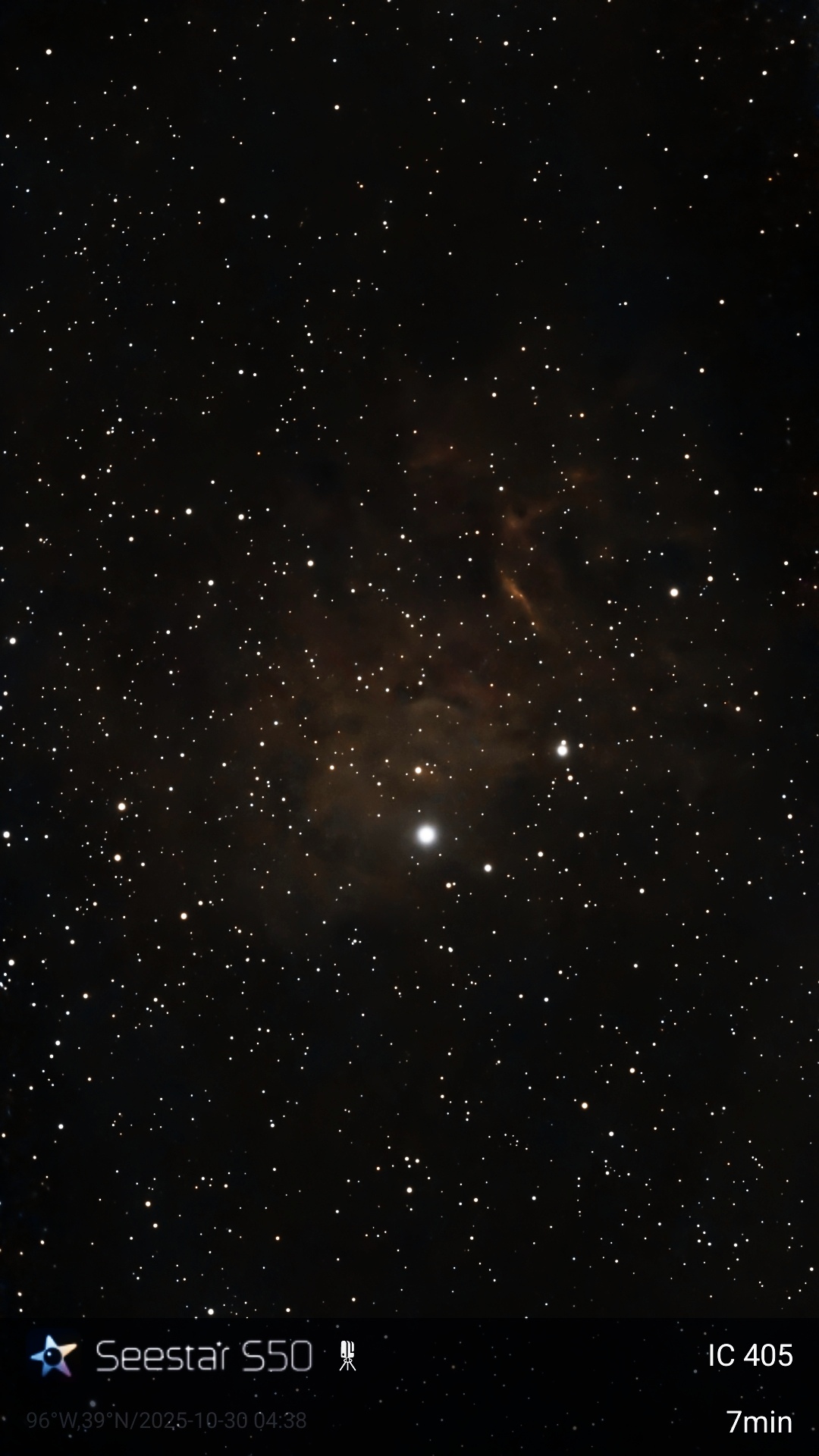
Oct. 30, 2025. M1 (Crab Nebula)
M1 (Crab Nebula) photographed with a ZWO Seestar S50 smart telescope. It is the remnant of a supernova that exploded in the year 1054 C.E. This image is a stack of 96 ten second exposures. The final processing (noise filtering and curves) was done with the Seestar App, Siril, and The Gimp.
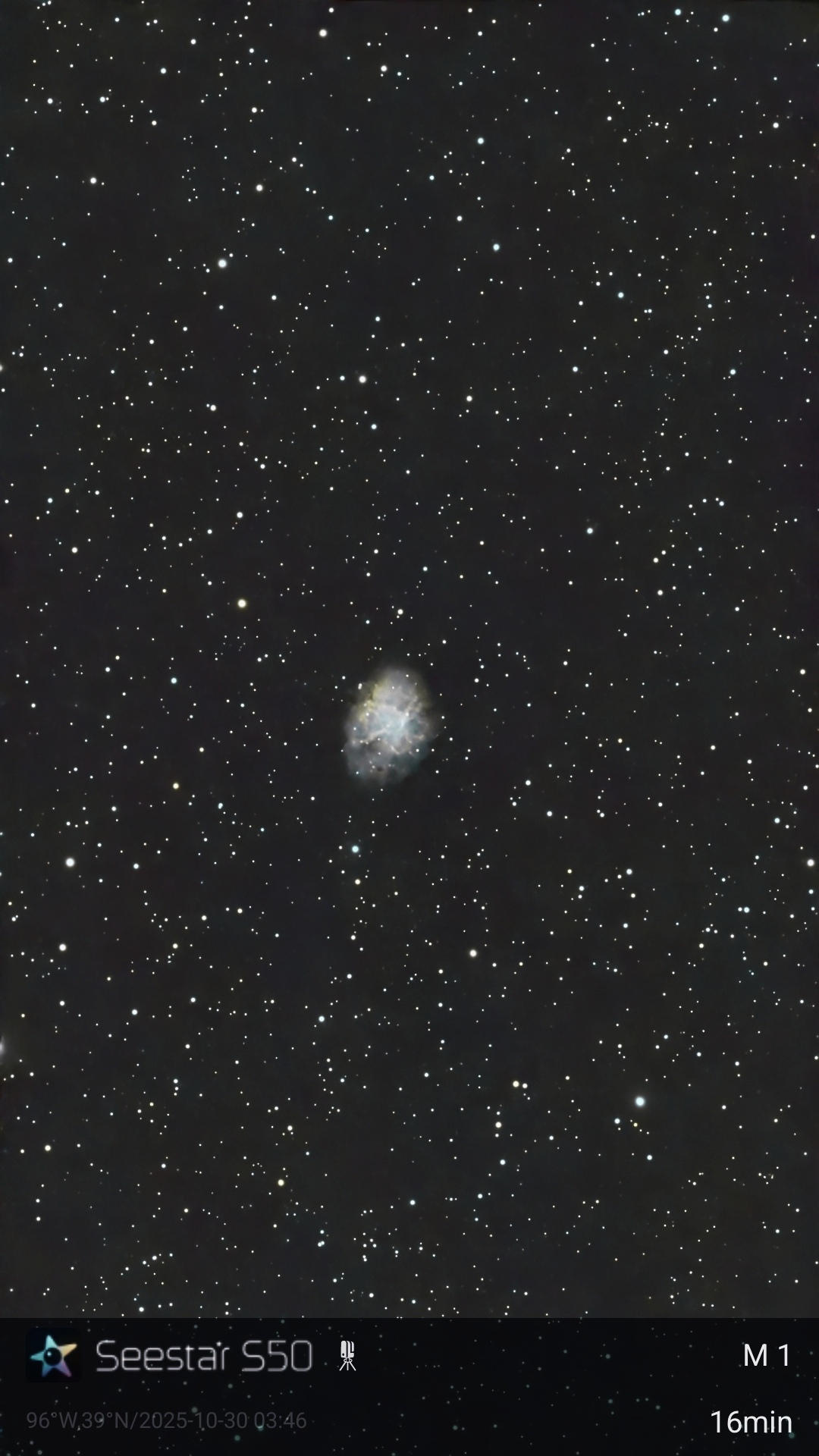
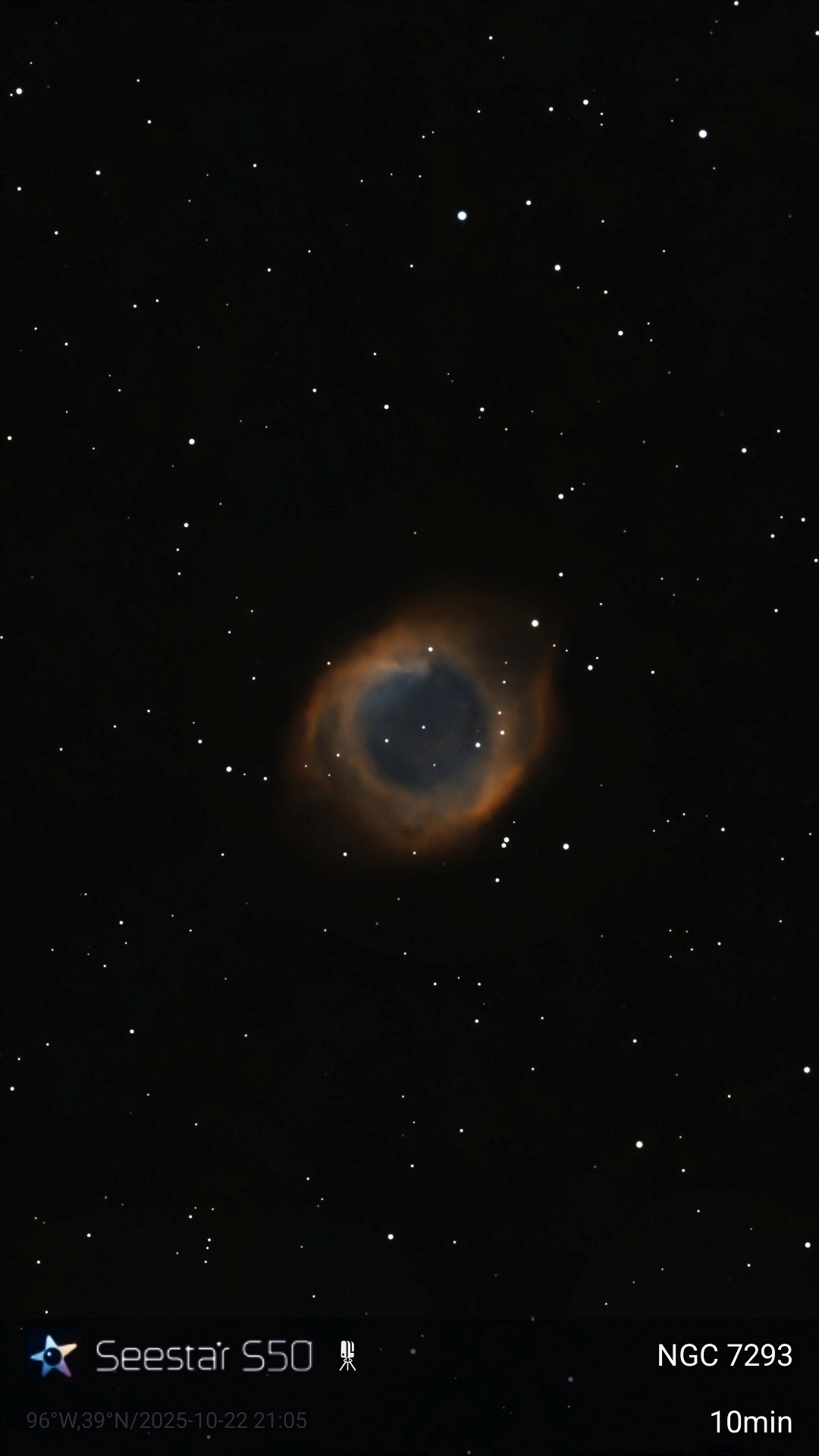
Oct. 22, 2025. NGC 7293 (Helix Nebula)
NGC 7293 (Helix Nebula) photographed with a ZWO Seestar S50 smart telescope. This image is a stack of 60 ten second exposures. The final processing (noise filtering and curves) was done with the Seestar App, Siril, and The Gimp.
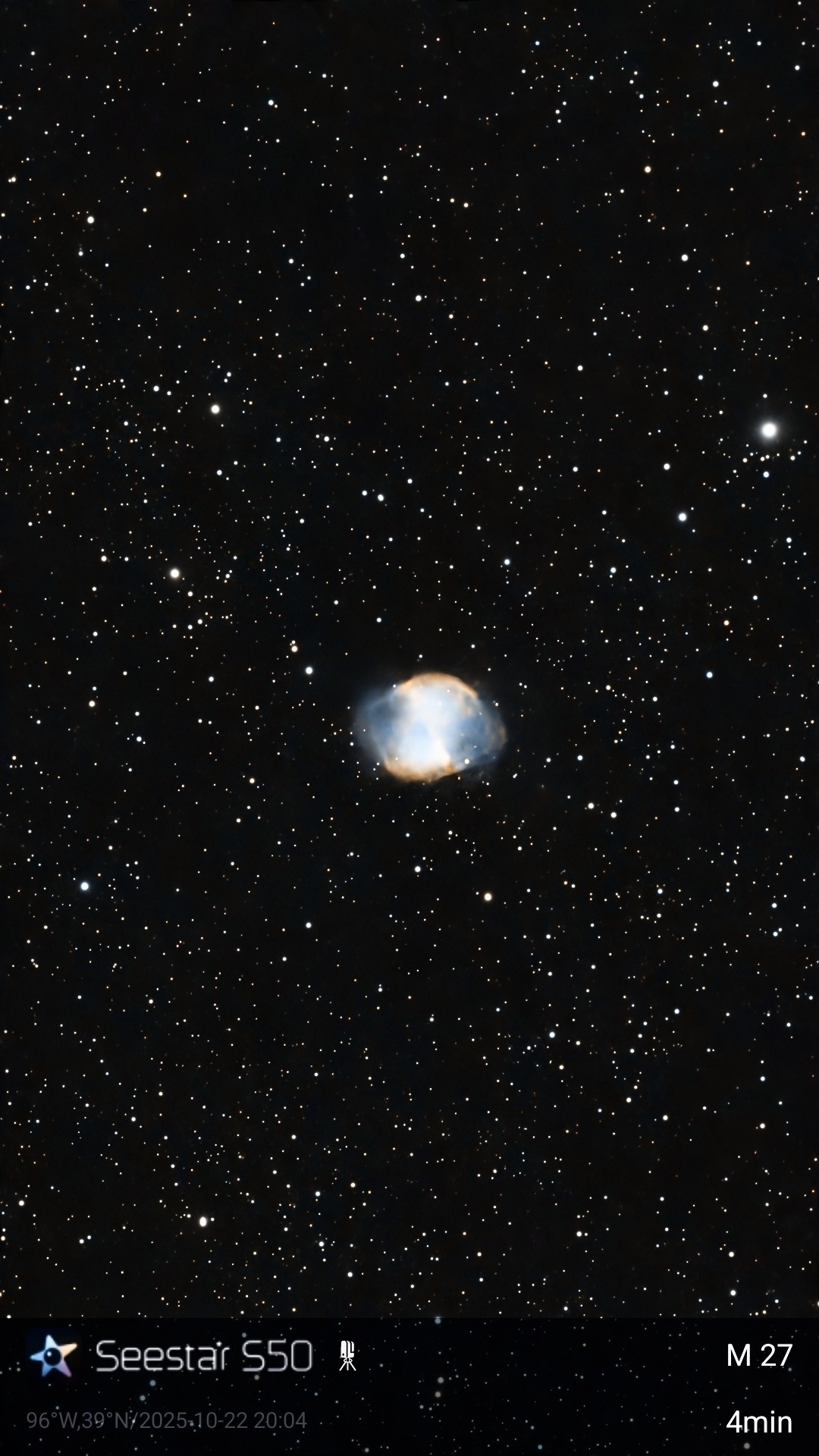
Oct. 22, 2025. M27 (Dumbbell Nebula)
M27 (Dumbbell Nebula) photographed with a ZWO Seestar S50 smart telescope. This image is a stack of 24 ten second exposures. The final processing (noise filtering and curves) was done with the Seestar App, Siril, and The Gimp.
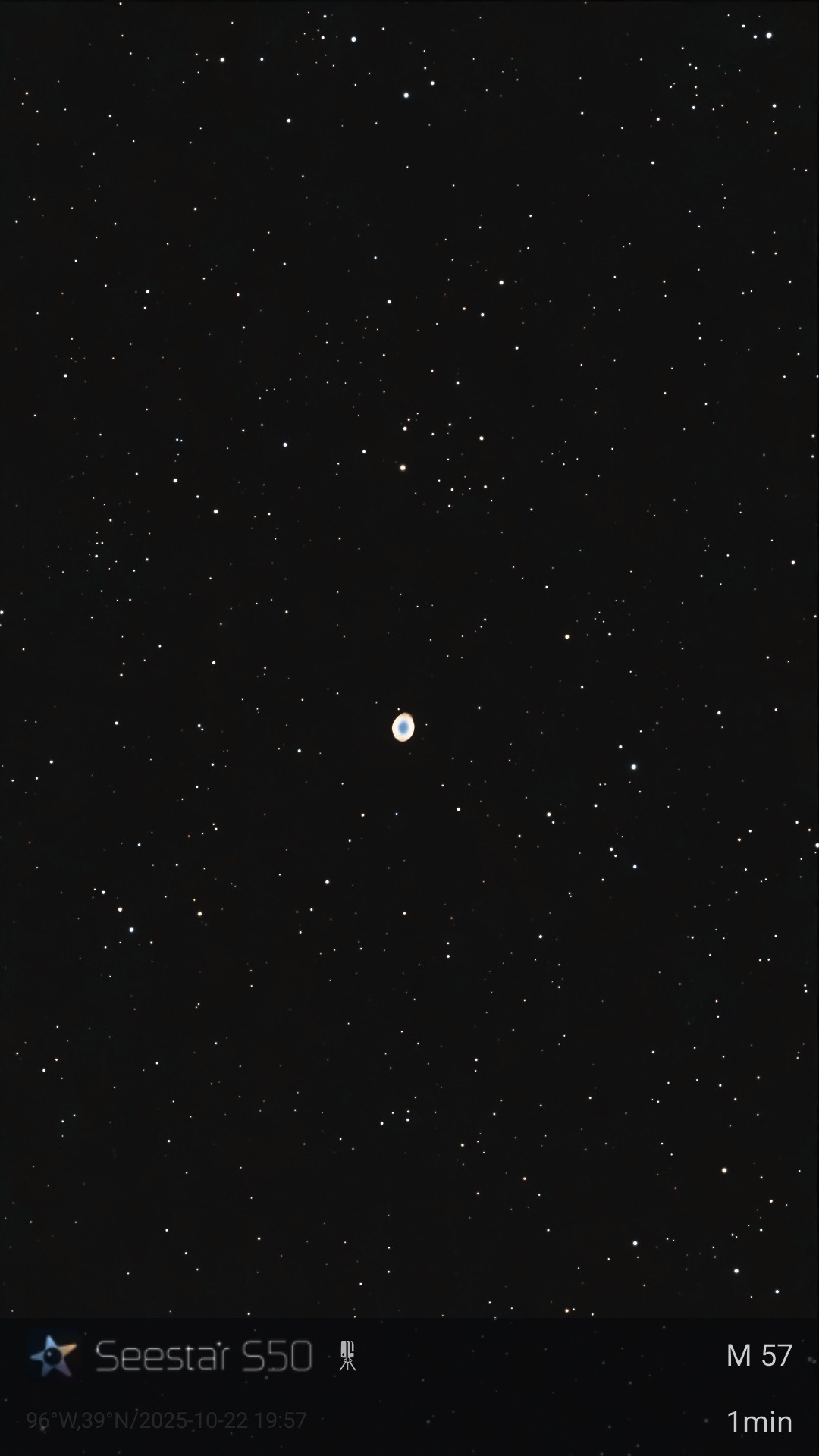
Oct. 22, 2025. M57 (Ring Nebula)
M57 (Ring Nebula) photographed with a ZWO Seestar S50 smart telescope. This image is a stack of 6 ten second exposures. The final processing (noise filtering and curves) was done with the Seestar App, Siril, and The Gimp.
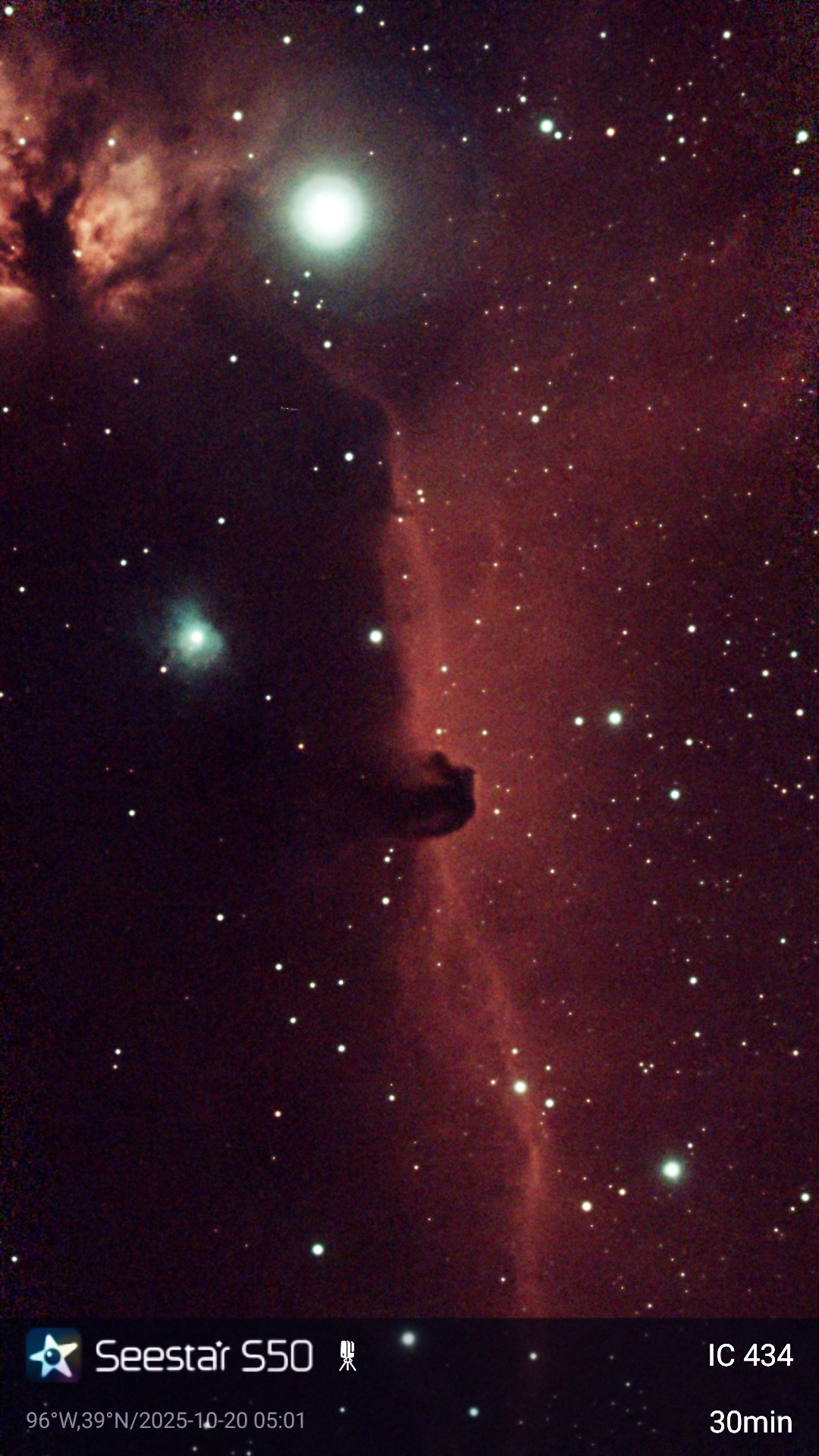
Oct. 20, 2025. IC 434 (Horse Head Nebula)
IC 434 (Horse Head Nebula) photographed with a ZWO Seestar S50 smart telescope. This image is a stack of 180 ten second exposures. The final processing (curves and noise filtering) was done with The Gimp and Neat Image.
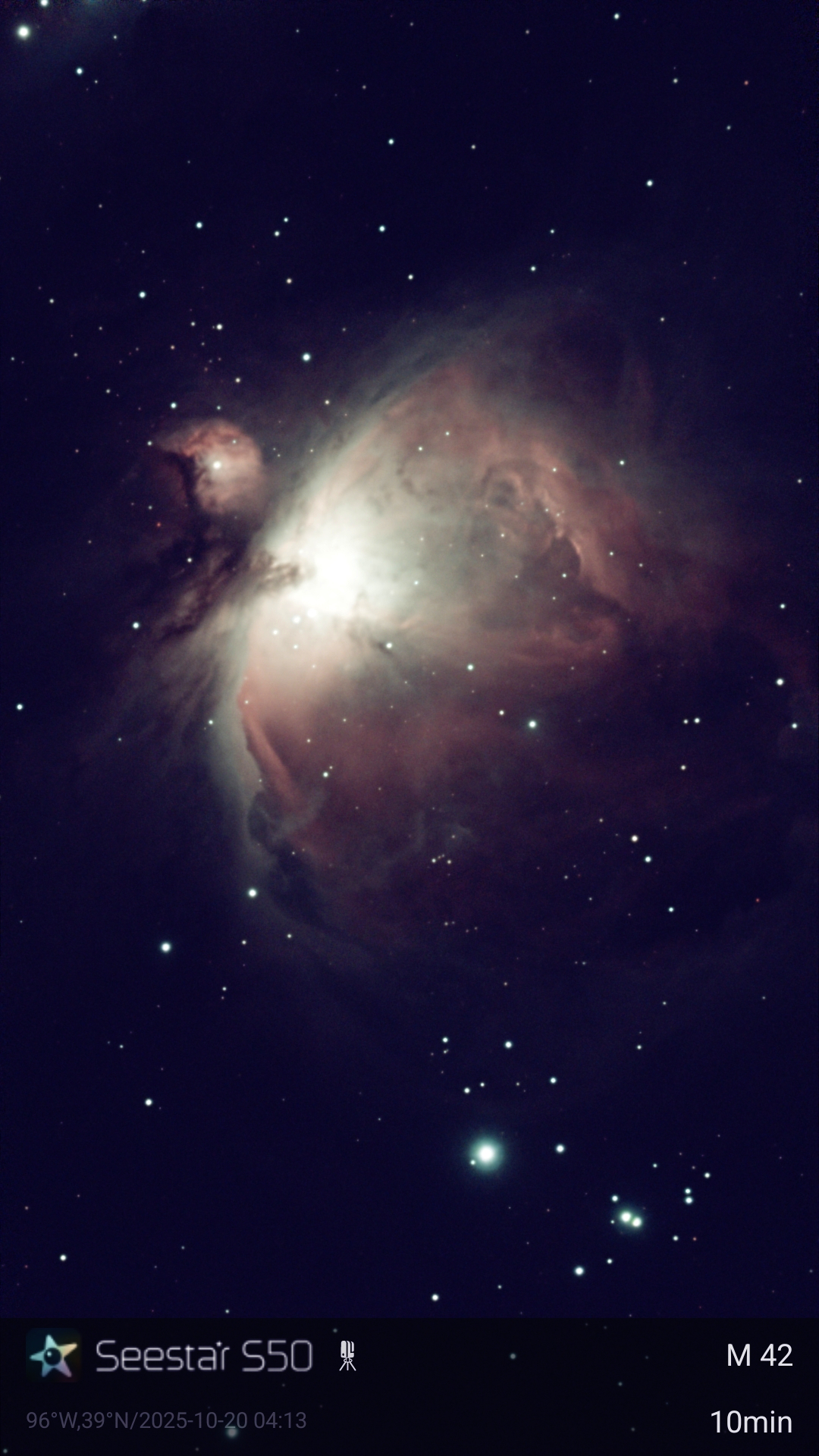
Oct. 20, 2025. M42 (Orion Nebula)
M42 (Orion Nebula) photographed with a ZWO Seestar S50 smart telescope. This image is a stack of 60 ten second exposures. The final processing (curves) was done with The Gimp.
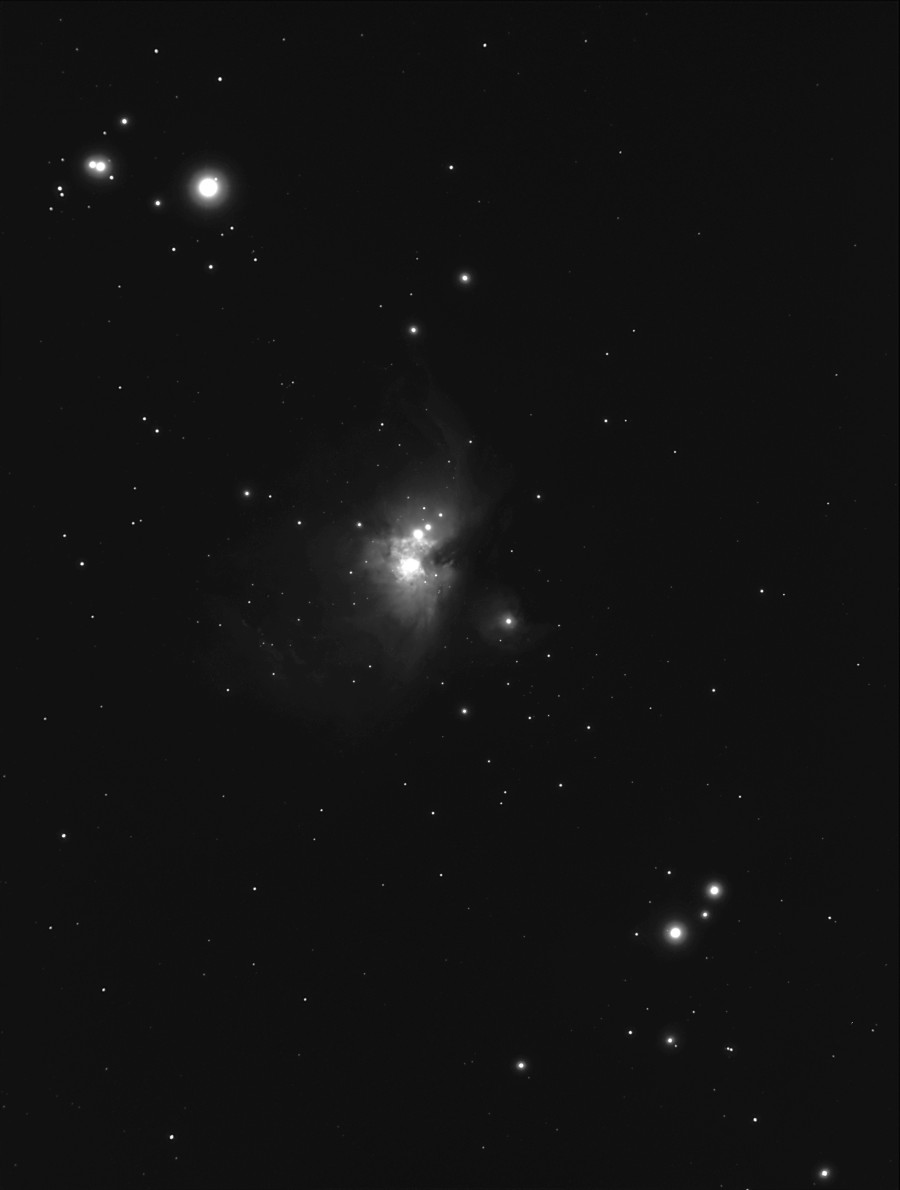
Feb. 8, 2023. M42 (Orion Nebula)
M42 (Orion Nebula) photographed with a ZWO ASI1600MM-Cool CMOS Camera, ZWO filter wheel, and homemade 5.5 inch refractor. This image was made from stacking about 12 red, green, and blue images and then combining them into a color image. Each image was a 5 second exposure. The images were captured using my ASIair Plus and my Samsung tablet.

Mar. 21, 2017. M52 (Orion Nebula)
M42 (Orion Nebula) photographed with a ZWO ASI1600MM-Cool CMOS Camera, and homemade 5.5 inch refractor. This image was made from stacking 10 images. Each image was a 5 second exposure.
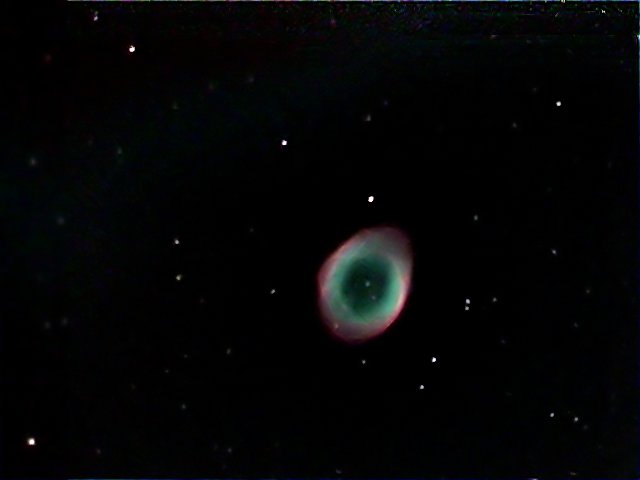
Nov. 14, 2010. M57 (Ring Nebula)
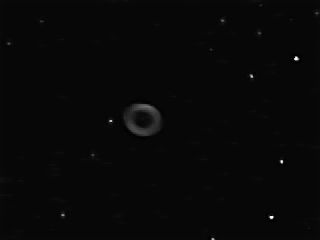
M57 (Ring Nebula) photographed with a Samsung SDC-435 integrating CCD camera (day/night security camera), Meade LXD55 8 inch SCT. In this image the IR blocking filter has been removed and the white balance has been adjusted. This image was made from stacking 39 images.
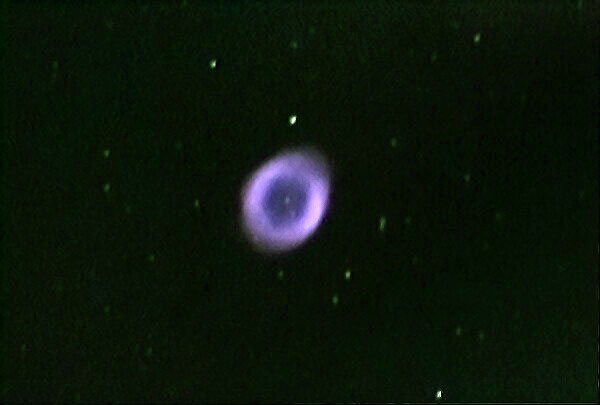
Nov. 11, 2010. M57 (Ring Nebula)
M57 (Ring Nebula) photographed with a Samsung SDC-435 integrating CCD camera (day/night security camera), Meade LXD55 8 inch SCT. This is the first image that I have taken with the Samsung SDC-435. The camera still had the IR blocking filter in place. After taking this image I removed the IR blocking filter on a rainy Saturday morning. For a camera that only cost $130 I am very impressed.
Oct. 16, 2010. M42 (Orion Nebula).
Oct. 16, 2010. M42 (Orion Nebula) photographed with a Watec 120N integrating CCD camera, Meade LXD55 8 inch SCT with a 0.5 focal reducer. This image is a composite of three images put together using layer masks with PhotoShop.
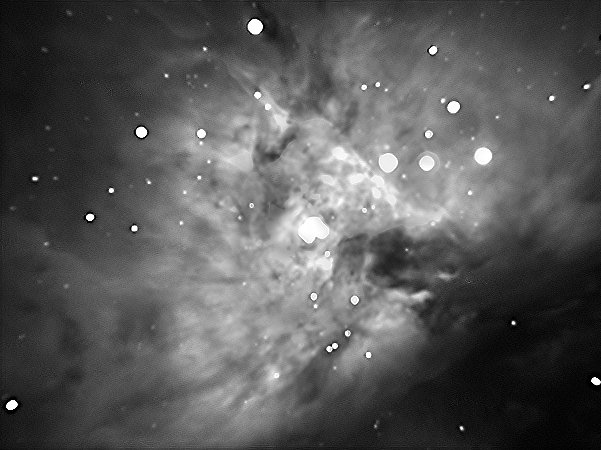
Oct. 15, 2010. M42 (Orion Nebula)
Oct. 15, 2010. M42 (Orion Nubula) photographed with a Watec 120N integrating CCD camera, Meade LXD55 8 inch SCT with a 0.5 focal reducer. 145x256 frames stacked.

Oct. 10, 2010. M27 (Dumbbell Nebula)
M27 (Dumbbell Nebula) photographed with a Watec 120N integrating CCD camera, Meade LXD55 8 inch SCT with a 0.5 focal reducer. 154x256 frames stacked.
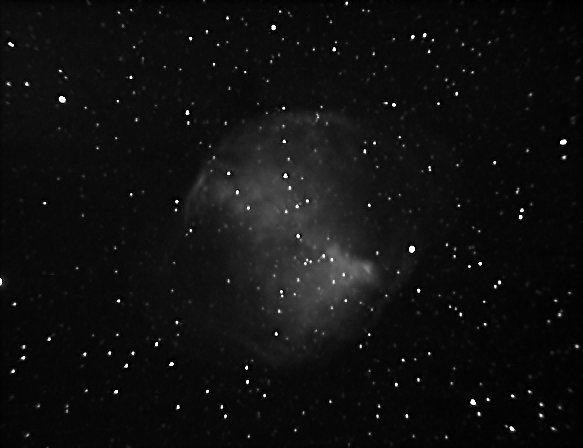
Oct. 9, 2010. M57 (Ring Nebula)
M57 (Ring Nebula) photographed with a Watec 120N integrating CCD camera, and a Meade LXD55 8 inch SCT. 181x256 frames stacked.
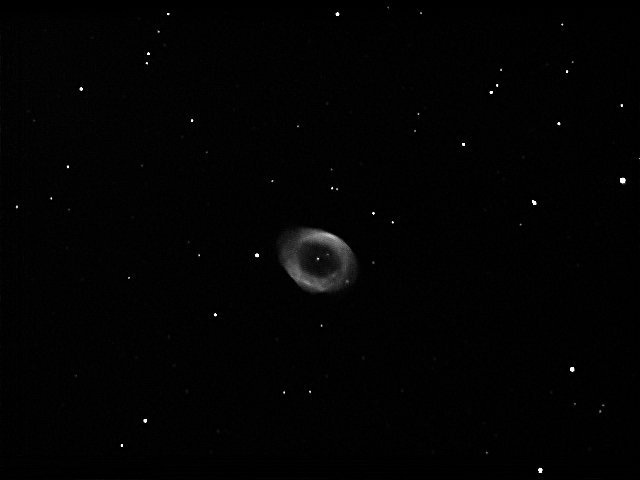
July 26, 2008. M57 (Ring Nebula)
M57 (Ring Nebula) photographed with a Watec 120N integrating CCD camera. 77x256 frames stacked. The limiting magnitude in this image is about 18th magnitude.
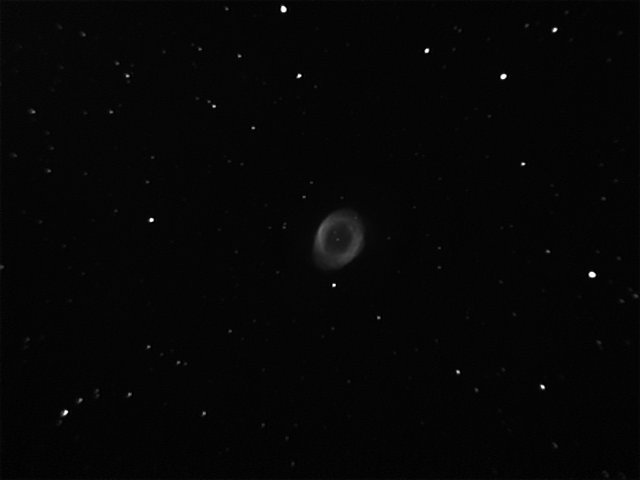
June 25, 2008. M57 (Ring Nebula)
M57 (Ring Nebula) photographed with a Watec 120N integrating CCD camera. 21x256 frames stacked.
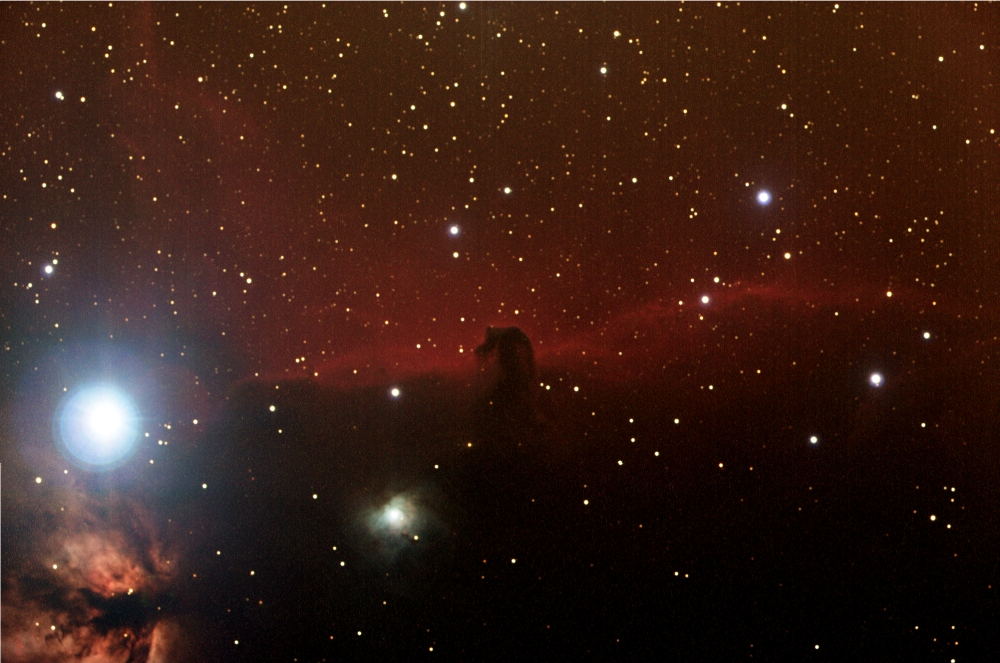
Feb. 18, 2007. IC 434 (Horse Head Nebula)
IC 434 Imaged Feb. 18, 2007 using the Tzec Maun Observatory (Cloudcroft, New Mexico) remote Astrophysics 8 inch refractor and SBIG STL-11000 CCD camera. RGB composite of 2.5 minute red exposure, 2.5 minute green exposure and a 5 minute blue exposure. Processed with CCDSoft version 5 and AstroArt version 3.
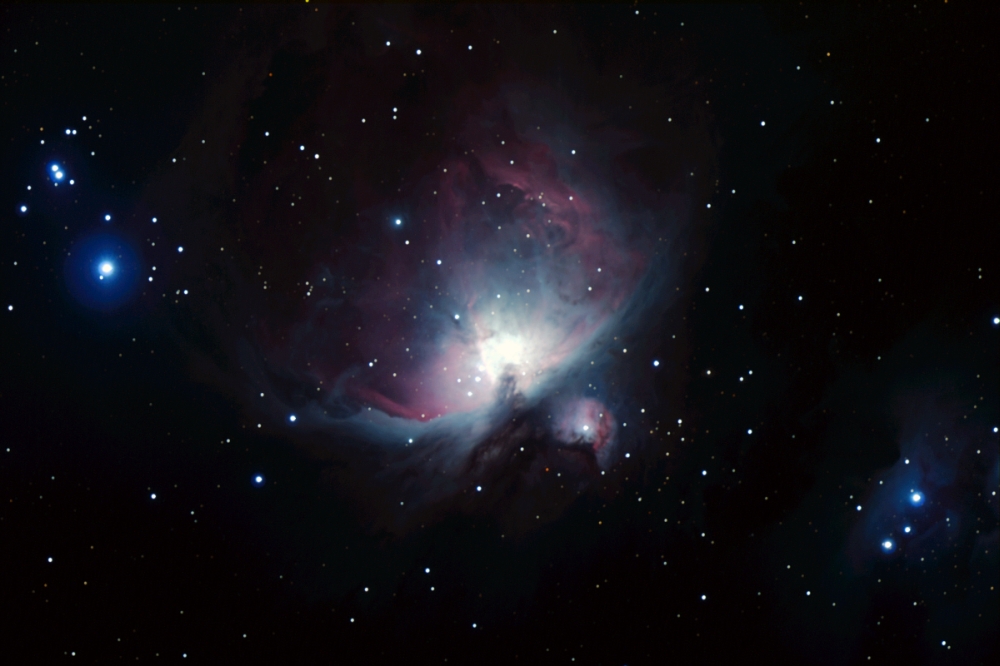
Feb. 18, 2007. M42 (Orion Nebula)
M42 Imaged Feb. 18, 2007 using the Tzec Maun Observatory (Cloudcroft, New Mexico) remote Astrophysics 8 inch refractor and SBIG STL-11000 CCD camera. RGB composite of 2 minute red exposure, 3 minute green exposure and a 5 minute blue exposure. Processed with CCDSoft version 5 and AstroArt version 3.
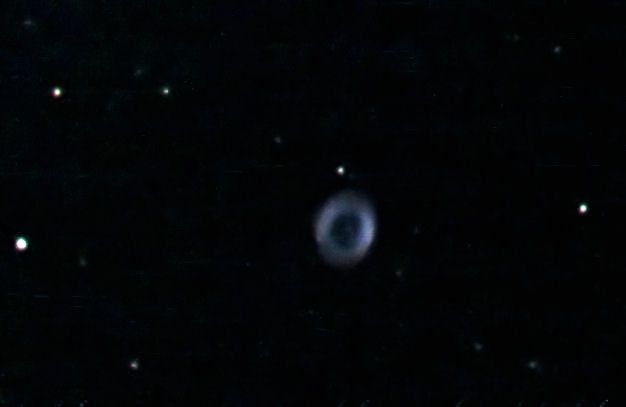
August 08, 2005. M57 (Ring Nebula)
M57 (The Ring Nebula in Lyra). Unguided photograph with a SAC7 CCD camera. 12 - 15 second exposures stacked with Registax after subtracting the dark frames with AIP. Noise filtered with Ulead PhotoImpact and NEAT Image. Intensity adjustments and unsharp mask applied with PSP. Image was captured from Grayling, MI USA.
Film Camera Images
Feb. 04, 2005. M42 (Orion Nebula)
M42. 5 minute manually guided photograph on Polaroid 800 ASA film with an OM1 and 500 mm lens mounted piggyback on my LXD55 8" SCT. ToUcam Pro and K3CCDTools used for manual guiding with the image taken piggy back on the SCT. Processed with Iris to remove gradient and filtered with Neat Image. Final color balance and histogram adjustments made with Paint Shop Pro version 9.
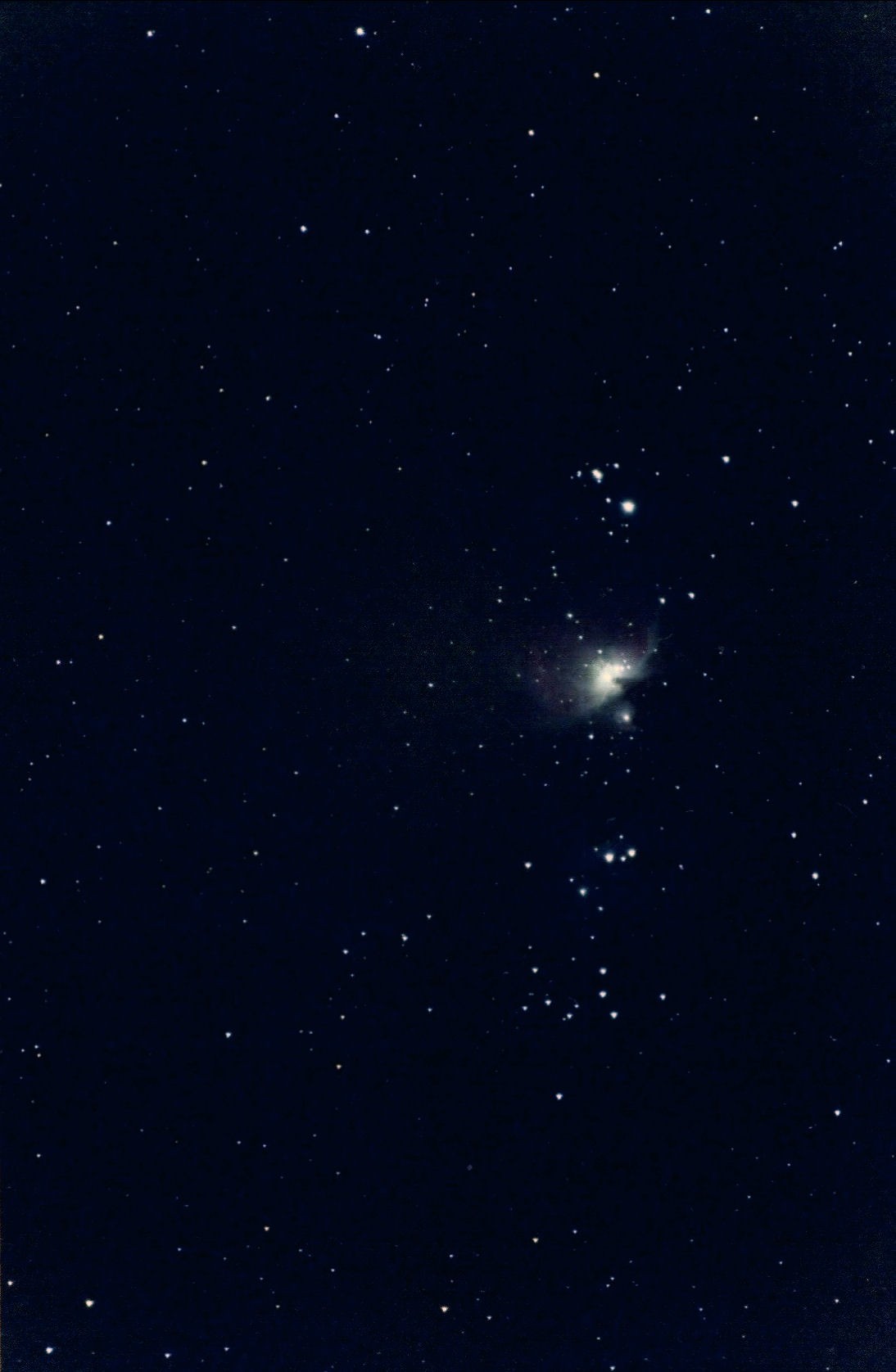
Dec. 17, 2004. M42 (Orion Nebula)
M42. 5 minute manually guided photograph on Polaroid 800 ASA film with an OM1 and 500 mm lens mounted piggyback on my LXD55 8" SCT.
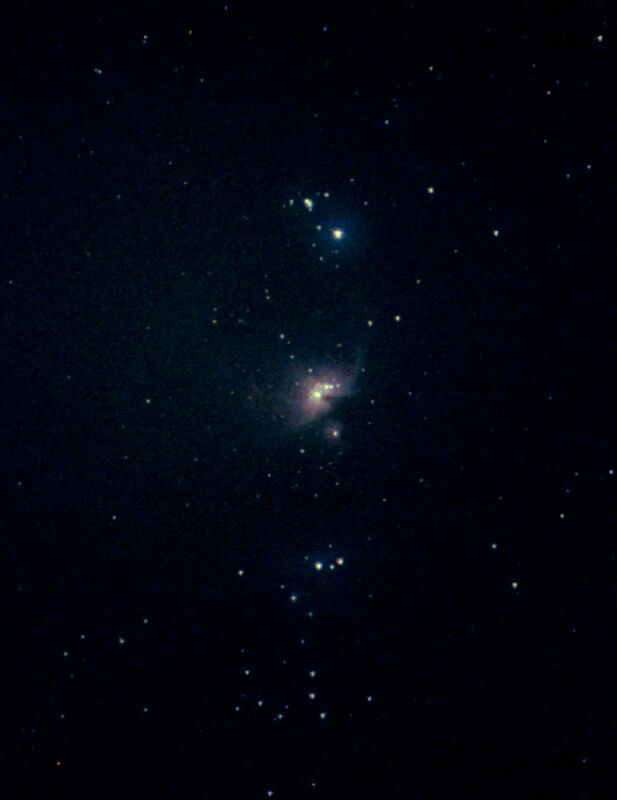
Dec. 26, 2003. M42 (Orion Nebula)
5 minute manually guided photograph on Polaroid 800 ASA film with an OM1 and 500 mm lens mounted piggyback on my LXD55 8" SCT.
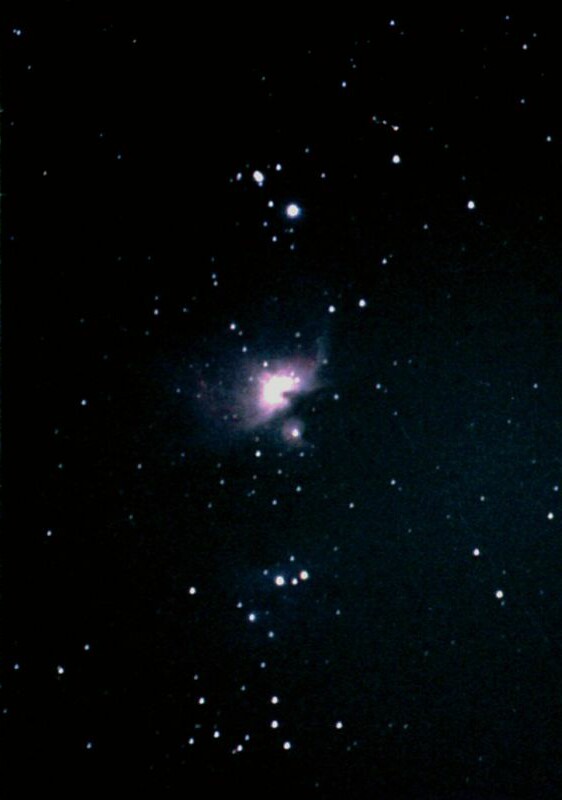
Mar. 21, 2003. M42 (Orion Nebula)
Two ~15 second unguided exposures on Polaroid 800 ASA film stacked with Registax. Image was taken at the prime focus of my 8 inch SCT. In this image you can see the Trapezium, which are the stars that ionize the gases in the Orion Nebula. Colors were adjusted with Paint Shop Pro version 9.

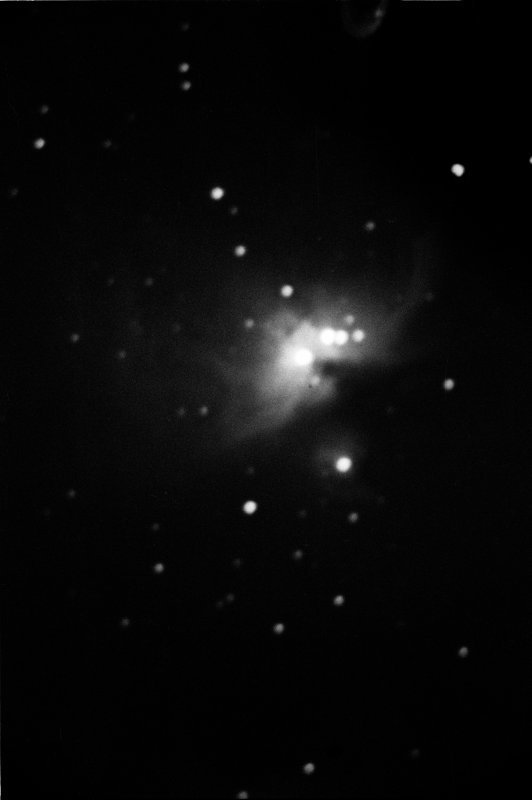
My first attempt at photographing the Orion Nebula in 1977
3 minute exposure on Kodak Tri-X 400 ASA film with a Celestron C8 and Nikon-F camera.